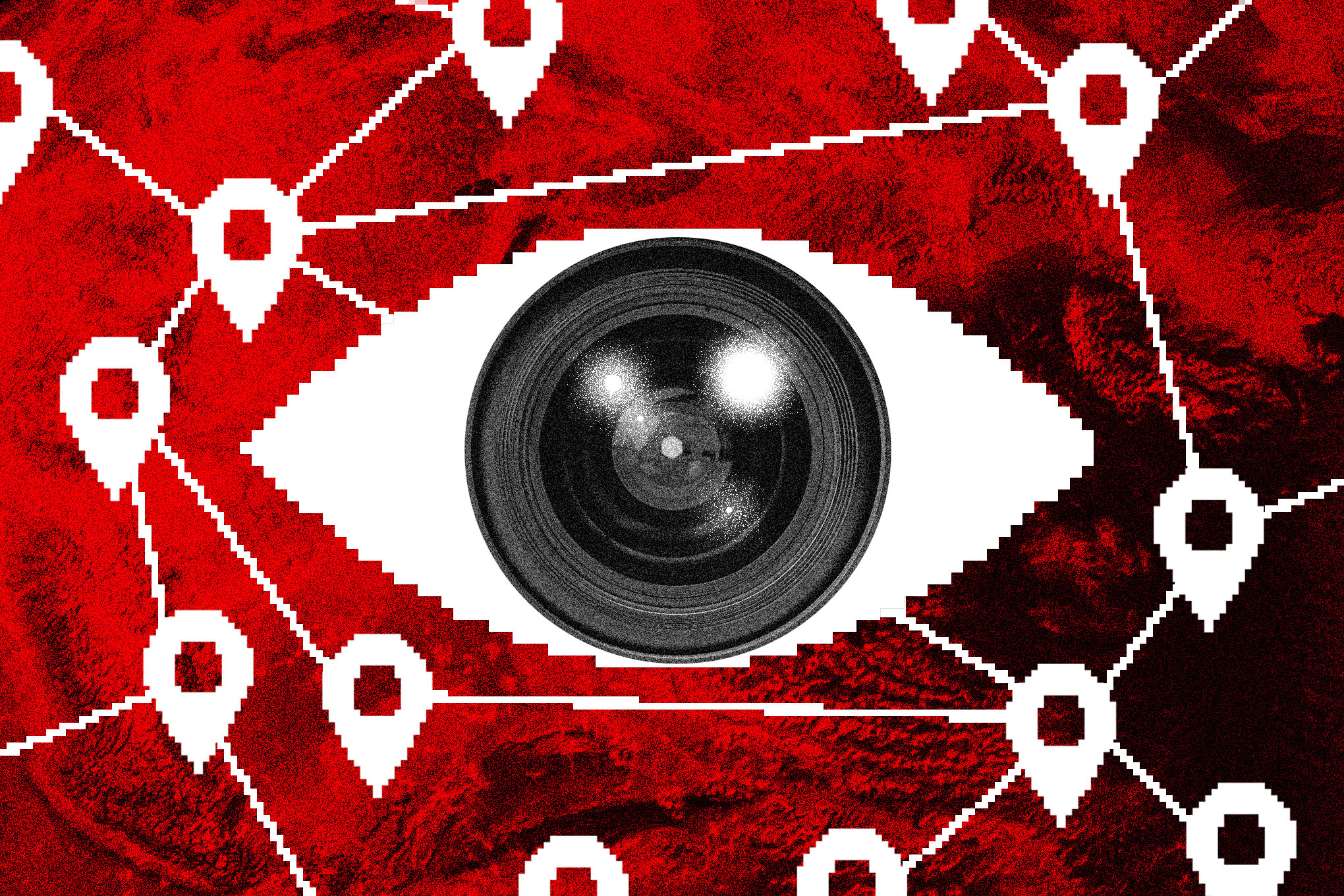
Ever wonder if Big Brother’s already got your browser history framed on his wall—without ever flashing a badge?
Your data. Everywhere. And the government? They’re buying it wholesale, no warrant required. Picture this: not some shadowy hacker in a basement, but federal agencies dropping cash at data broker bazaars, scooping up your geolocation trails, app habits, even that late-night pizza order from three years back. It’s the wild west of government buying data without a warrant, a loophole that’s ballooning into a full-blown surveillance colossus.
And here’s the kicker—it’s not just nosy neighbors; we’re talking FBI, ICE, even local cops, all feasting at this digital buffet. Jeramie D. Scott, senior counsel at the Electronic Privacy Information Center, nails it:
Government data purchases without a warrant are “contributing to an ever-expanding infrastructure of private sector surveillance that is hurtling us into a dystopian surveillance society.”
Spot on. But let’s crank the futurist dial: this isn’t mere spying; it’s the fuel rod for AI’s glowing core.
How Did We Get Here So Fast?
Think back to the post-9/11 rush—Patriot Act vibes, but stealthier. Data brokers like Acxiom or LexisNexis? They’ve been hawking profiles on millions for years, packaging your life into neat dossiers: political leanings (guessed from likes), health inferences (from fitness apps), relationships (inferred from texts). Government skips the Fourth Amendment hassle by just… buying.
One whistleblower report? Feds shelled out $1.2 million in 2022 alone for phone records that’d normally need subpoenas. No judge. No probable cause. Just Venmo for surveillance.
But wait—AI enters the chat. These troves aren’t sitting idle; they’re shoveled into machine learning maws, training models to predict crimes before they spark, like Minority Report on steroids. Your data isn’t just watched; it’s alchemized into prophecies.
Is Government Data Buying Legal?
Short answer? Yeah, for now. Courts have mostly shrugged—buying publicly available data (even if scraped creepily) doesn’t trigger warrant rules, per rulings like U.S. v. Miller (bank records ain’t private). Carpenter v. U.S. (2018) drew a line at real-time cell tracking, but historical? Fair game.
Critics scream foul. EPIC’s suing, arguing it’s a backdoor around the Constitution. Imagine East Germany’s Stasi, but instead of filing cabinets, it’s AWS servers humming with neural nets—my unique twist: this echoes the telegraph era’s privacy blind spots, when wires carried whispers unregulated, birthing modern comms law. We’re reliving that pivot, but with AI as the accelerant.
Agencies defend it as ‘essential’ for counterterrorism, drug busts. Fair? Maybe. But when ICE buys location data to track immigrants, or FBI profiles activists? That’s the slope getting greasy.
So, what’s the human cost? Families profiled wrong, innocents flagged by glitchy AI. One botched facial rec match? Life upended.
Picture your digital exhaust—those pings from Google Maps, Strava runs, Venmo splits—coalescing into an AI oracle that knows you better than your spouse. Thrilling? Terrifying. We’re hurtling toward a platform shift where privacy’s the first casualty.
Why Does This Supercharge AI Surveillance?
Data brokers aren’t charities; they’re oil barons of the info age. Selling to Uncle Sam? Pocket change compared to Big Tech’s hauls. But feed this into LLMs? Boom—predictive policing on galactic steroids.
Take Palantir: they’ve got government contracts blending bought data with AI for ‘pattern recognition.’ Spot a protest? AI flags ‘risky’ organizers from social graphs. My bold prediction: by 2030, warrantless buys will birth municipal AI ‘precrime’ units, aping China’s social credit but wrapped in stars-and-stripes.
Corporate hype alert—data brokers spin it as ‘anonymized.’ Please. Re-identification’s child’s play; one study deanonymized 95% of supposedly scrubbed profiles with zip code + birthdate. It’s PR fog for a crystal-clear panopticon.
And AI? It’s the wonder-child turning scraps into symphonies of suspicion.
Yet, glimmers of pushback. Congress mulls the Fourth Amendment Is Not For Sale Act—bans warrantless buys of ‘sensitive’ data. Biden’s EO on location data? A nudge, not a hammer.
What Can You Do Before the AI Eye Locks On?
Delete apps? Use VPNs? Sure, but it’s whack-a-mole. Opt out from brokers (IDG, Acxiom portals)—tedious, incomplete. Push lawmakers; EPIC’s toolkit rocks.
Futurist hope: blockchain privacy layers, zero-knowledge proofs—AI platforms that verify without voyeuring. But that’s tomorrow; today’s dodge the data dragnet.
This surveillance sprawl? It’s the shadow cast by AI’s golden dawn. Embrace the shift, but demand brakes—or we’ll all be extras in the algorithm’s blockbuster.
🧬 Related Insights
- Read more: EFF Hands Reins to Surveillance Slayer Nicole Ozer as AI Eyes Everywhere Multiply
- Read more: Meta’s AI Guru Unplugs Her Own Disaster Bot — Why ChatGPT Wants You to Break Your PC
Frequently Asked Questions
Can the government buy my data without a warrant?
Yes, currently—they purchase from brokers who collect ‘public’ data, sidestepping Fourth Amendment needs. Bills aim to change that.
What kind of data is the government buying without warrants?
Location history, app usage, purchase records, social inferences—anything brokers package, from phones to fitness trackers.
How do I stop the government from buying my data?
Opt out via broker sites (e.g., Acxiom), use privacy tools like VPNs/Tor, support laws like the FANFSA Act. No perfect shield yet.