Look, the EFF wants your money. They always do. But this time, they’re framing it a little differently, and frankly, it’s got some teeth. Forget the mild annoyance of targeted ads for a moment – the kind that know you looked at hiking boots once and now bombard you until you scream. The Electronic Frontier Foundation is pointing out something far more insidious: the same data-gathering machinery that powers those digital billboards is also serving up your most private information to Uncle Sam.
This isn’t some fringe conspiracy theory; it’s straight-up documented business. Data brokers, those shadowy entities that hoover up every scrap of your digital footprint, aren’t just selling your browsing history to advertisers. They’re also peddling it to law enforcement agencies. Think FBI, CBP, ICE. They’re essentially buying your location history, your communication patterns, stuff they’d normally need a warrant to get, with a credit card swipe. And you’re the product.
Is This Just Another EFF Fundraiser?
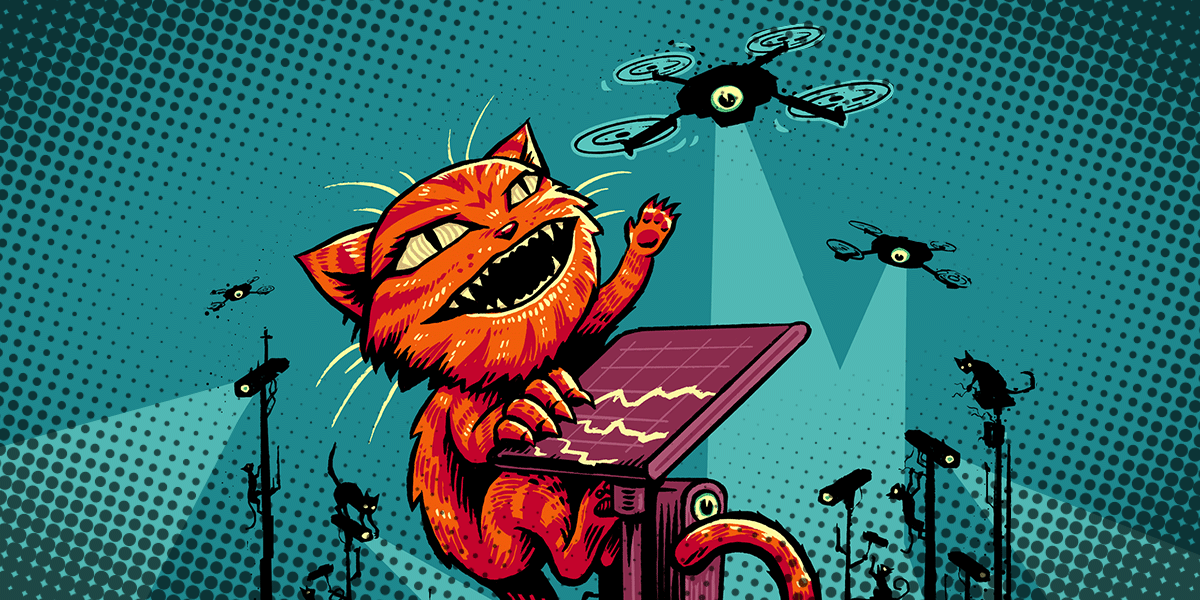
On the surface, yes. They’re pushing their Privacy Badger crewneck sweatshirts and puffy stickers. If you’re feeling generous and appreciate the Ghostie mascot looking all privacy-conscious in multiple languages, by all means, open your wallet. Who doesn’t want a cat swatting at surveillance gear? But peel back the merch, and there’s a genuine point being made.
The core issue EFF is hammering home is that the commercial surveillance apparatus, which feels so pervasive and frankly, a bit tiresome, is a direct pipeline to government intrusion. When your online life is already a data goldmine for corporations, it becomes an easy, cheap acquisition for government agencies looking to bypass traditional privacy protections. It’s like a legal loophole you didn’t even know existed, paved with cookies and clickstream data.
“With your help, EFF is fighting back. Our team is working to enact stronger laws to uphold your privacy. We’re advocating for consumer rights in the courts. We’re investigating how these technologies affect our communities. And we’re cutting off surveillance advertising at the source with tools like Privacy Badger for everyone.”
This isn’t about blocking ads anymore, or not entirely. It’s about severing the arteries that feed mass surveillance. It’s a recognition that privacy isn’t just a nice-to-have for avoiding embarrassing targeted ads; it’s a fundamental human right, the bedrock of security and freedom in our increasingly digitized lives.
How Does This Affect Real People?
For the average person scrolling through social media or doing online research, the immediate impact might not be a sudden disappearance of targeted ads. Instead, it’s about the slow erosion of the expectation of privacy. It’s the understanding that your digital movements are constantly being logged, analyzed, and potentially, shared with entities that have the power to affect your life – whether it’s through a more aggressive marketing campaign or, far more chillingly, through government scrutiny.
When law enforcement can simply buy data that would otherwise require probable cause and judicial oversight, the balance of power shifts dramatically. This practice normalizes a level of surveillance that would have been unthinkable just a couple of decades ago. And the commercial surveillance industry, with its insatiable appetite for data, is the engine making it all possible.
Why Does This Matter for Privacy Badger?
Privacy Badger, in this context, is more than just a browser extension. It’s a symbol of defiance. It’s a tool designed to disrupt the data-collection ecosystem at its roots. By blocking the trackers that feed these data brokers, EFF is attempting to dry up the source from which government agencies draw their intelligence. It’s a proactive defense, rather than a reactive one.
It’s about reclaiming some agency in a world where our online actions are constantly commodified. And for those who worry about the government’s ever-growing reach – and let’s be honest, that’s a growing number – supporting EFF’s work means supporting the legal and technological efforts to push back against this unchecked expansion.
Ultimately, EFF is asking us to see the bigger picture: the interconnectedness of corporate surveillance and government overreach. It’s a compelling argument, even if wrapped in the familiar language of a membership drive. Because at the end of the day, who’s really profiting from this complex web of data collection? It’s not you, and it’s increasingly not about just avoiding a specific advertisement.
🧬 Related Insights
- Read more: [700 Jobs at Risk] Meta Lays Off AI Trainers in Ireland
- Read more: [Exposed] Hack-for-Hire Phishing Targets Egyptian Journalists
Frequently Asked Questions
What does Privacy Badger do? Privacy Badger is a free browser extension that automatically blocks hidden trackers that spy on you online. It learns which trackers are following you across websites and blocks them, preventing them from collecting your data and profiling your online activity.
Can EFF’s work stop government surveillance? EFF advocates for stronger laws and uses legal challenges to push back against government surveillance practices. While they can’t stop all surveillance on their own, their efforts aim to create legal and technological barriers that make mass surveillance more difficult and less lawful.
Is my data being sold to the government? Yes, data brokers often collect vast amounts of personal information and then sell it to government agencies, including law enforcement. This practice allows agencies to obtain data that might otherwise require a warrant.