
GDPR's 2020 Pivot: Fines Fall Short, Global Waves Rise
Two years in, GDPR fines top €114 million — yet Google shrugs off €50 million slaps. 2020's report and rulings could reshape data rules, but enforcement lags threaten the dream.
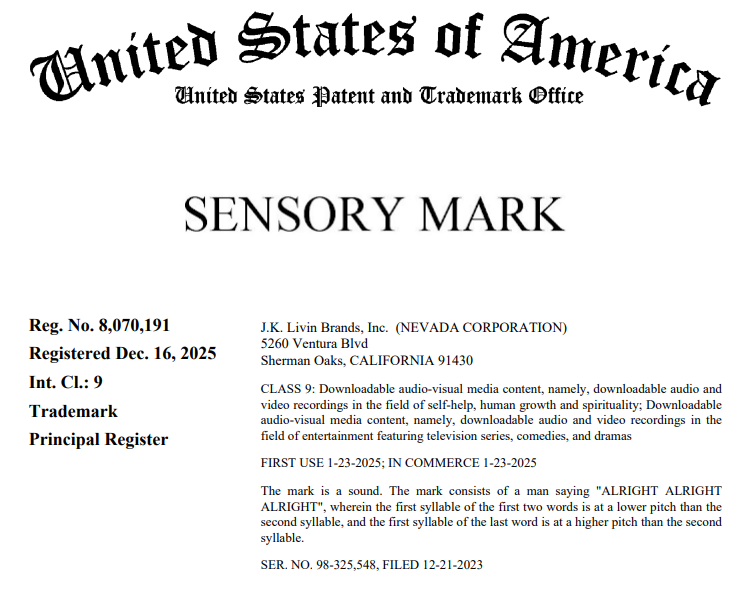
Picture Matthew McConaughey's drawl deciding your patent's fate: 'Alright, alright, alright.' USPTO just emailed that as an official April Fool's gag — and it's genius.
Patent challengers thought their original standing declaration would cover amended claims. Wrong. The Federal Circuit just said no, forcing fresh proof—and that's a game-changer for AI patent battles.
Anthropic's Claude isn't just writing emails anymore. It's reportedly orchestrating military strikes. As AI companies slide deeper into defense contracts, the line between software vendor and weapons manufacturer has become impossible to ignore.
A new policy toolkit is arming local governments and organizers with the legal playbook to push back against AI data center expansion. The question: will anyone actually use it?
Generative AI companies are negotiating with the Pentagon to deploy models that hallucinate roughly half the time. That's not a feature to manage with oversight—it's a fundamental design flaw.
The AI gold rush has convinced billionaires they can outrun professional investors. The problem? They're concentrating massive wealth into concentrated bets, and when the music stops, someone's going to lose big.
The EU just won a major privacy battle—mass scanning of encrypted messages is officially off the table. But don't pop the champagne yet. The real fight over Chat Control is just shifting to a more dangerous battlefield.
A California court just handed AI companies a rare win: the Pentagon can't punish you for refusing to build surveillance tools. Here's why that matters for the future of responsible AI.
You're firing up ChatGPT for that report, but would you stake your career on its output? A new poll uncovers America's love-hate fling with AI: rampant use, rock-bottom trust.
Everyone thought the two-year FISA clock would force real reforms. Instead, leaders like Mike Johnson are pushing a no-strings extension, ignoring a history of surveillance overreach.
Tech insiders sweating under the EU AI Act? Come 2026, whistleblower shields activate. But after two decades watching Valley scandals, I'm not holding my breath for clean wins.
Everyone figured the AI Act was wrapped up post-negotiations. Wrong. Now the Commission stares down 130 mandates, from acts to audits, with timelines that scream 'impossible.'
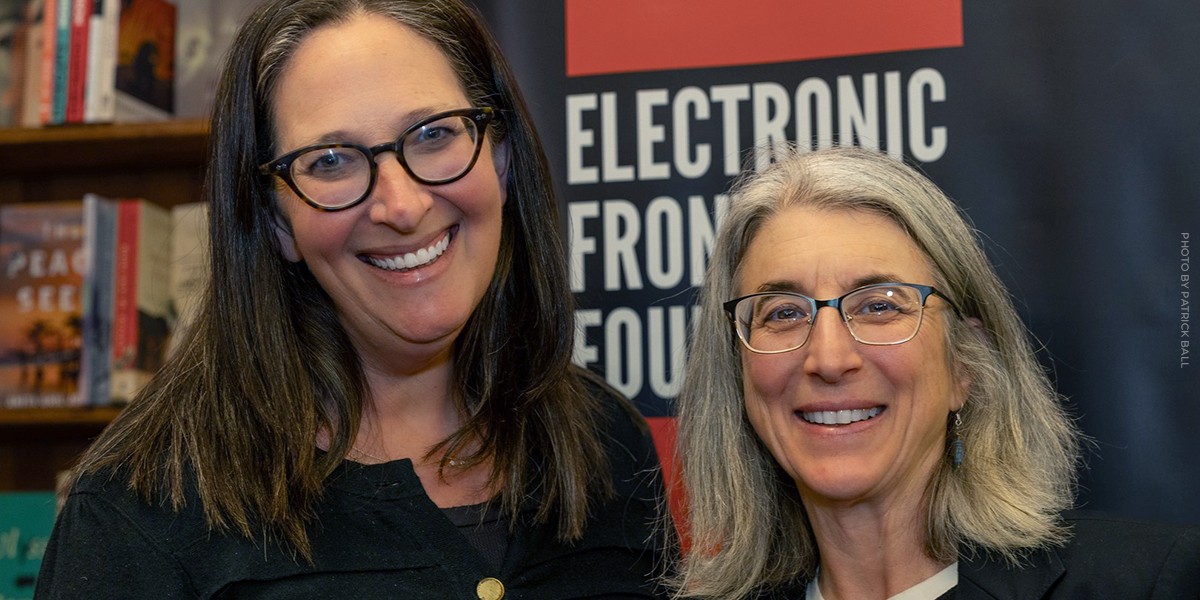
San Francisco's digital rights fortress just got a new general. Nicole Ozer, architect of California's toughest surveillance laws, steps up to lead EFF as tech giants ramp up AI tracking.
A Nigerian med student irons for hours, iPhone on his brow, all to teach robots how to fold socks. This gig economy boom for humanoid AI smells like exploitation dressed as opportunity.
Cash-strapped founders: your next MSA could cost $500, delivered overnight. AI-native firms aren't tweaking old models—they're rebuilding law from silicon up.
The EU AI Act promised uniform innovation boosters. Reality? A patchwork of sandboxes, with Denmark already testing AI and laggards barely sketching plans.
What if you could force OpenAI to fix a rogue model? The EU AI Office isn't just watching AI—it's wielding the whip. Here's why their job call is a futurist's dream.
Your SSN, medical history, voting record — all sitting in some federal vault, ripe for sharing. Americans are done with it, polls show, demanding real oversight before it's too late.
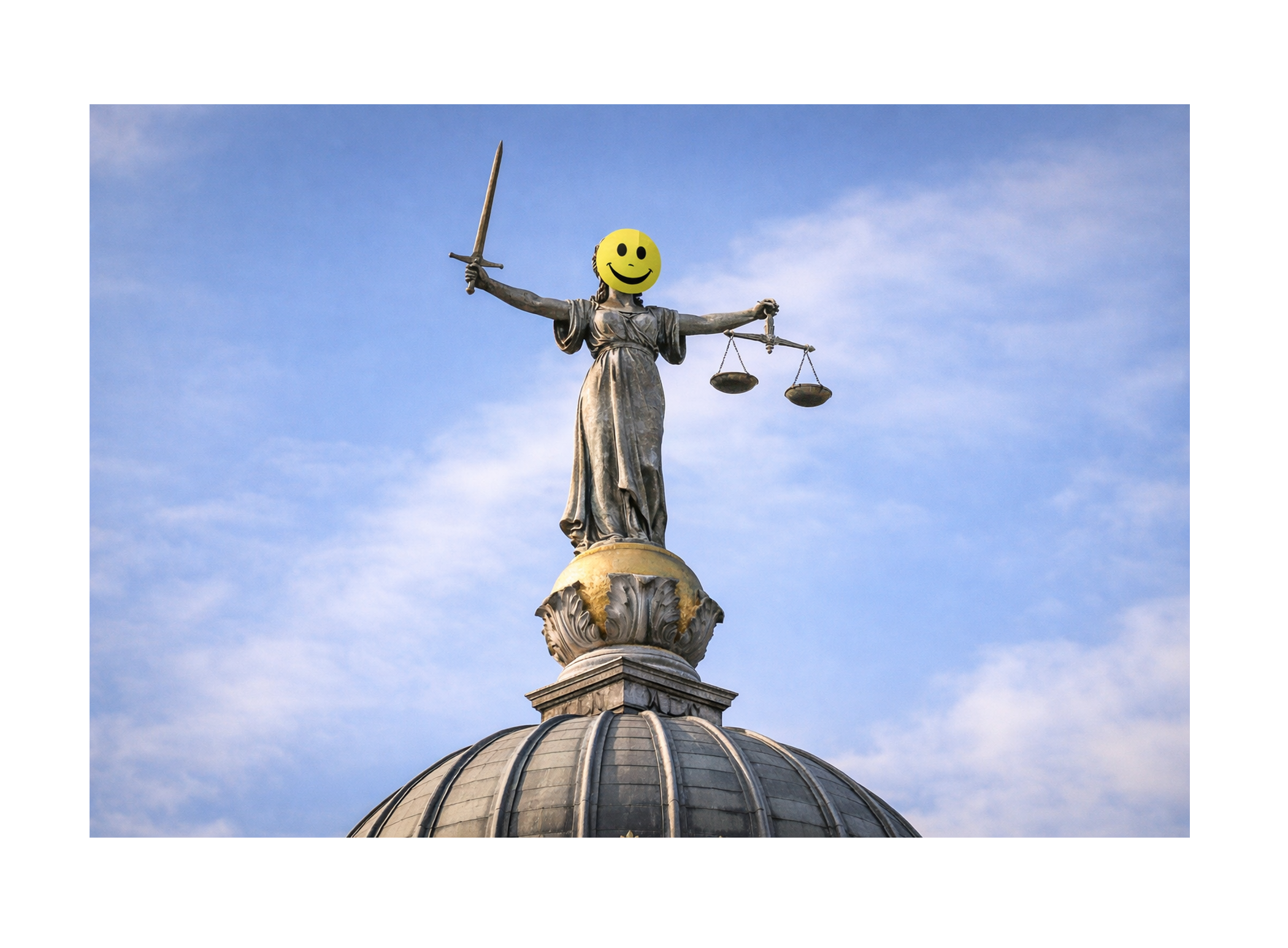
Picture this: a bank robber walks free, tagged 'Not Really Guilty' to avoid tears. It's satire, sure—but it nails the creeping absurdity in modern justice systems.