Here’s the thing: the US Copyright Office isn’t just some dusty corner of government. It’s the intellectual property gatekeeper for a nation built on creativity, and lately, it’s found itself in the crosshairs of both technological upheaval and political maneuvering.
This isn’t just about algorithms churning out art or text. It’s about who controls the foundational rules of creation and dissemination, and whether an agency designed to be an independent advisor to Congress can withstand pressure from the executive branch. The recent Senate Judiciary Subcommittee hearing was less a routine oversight session and more a battlefield.
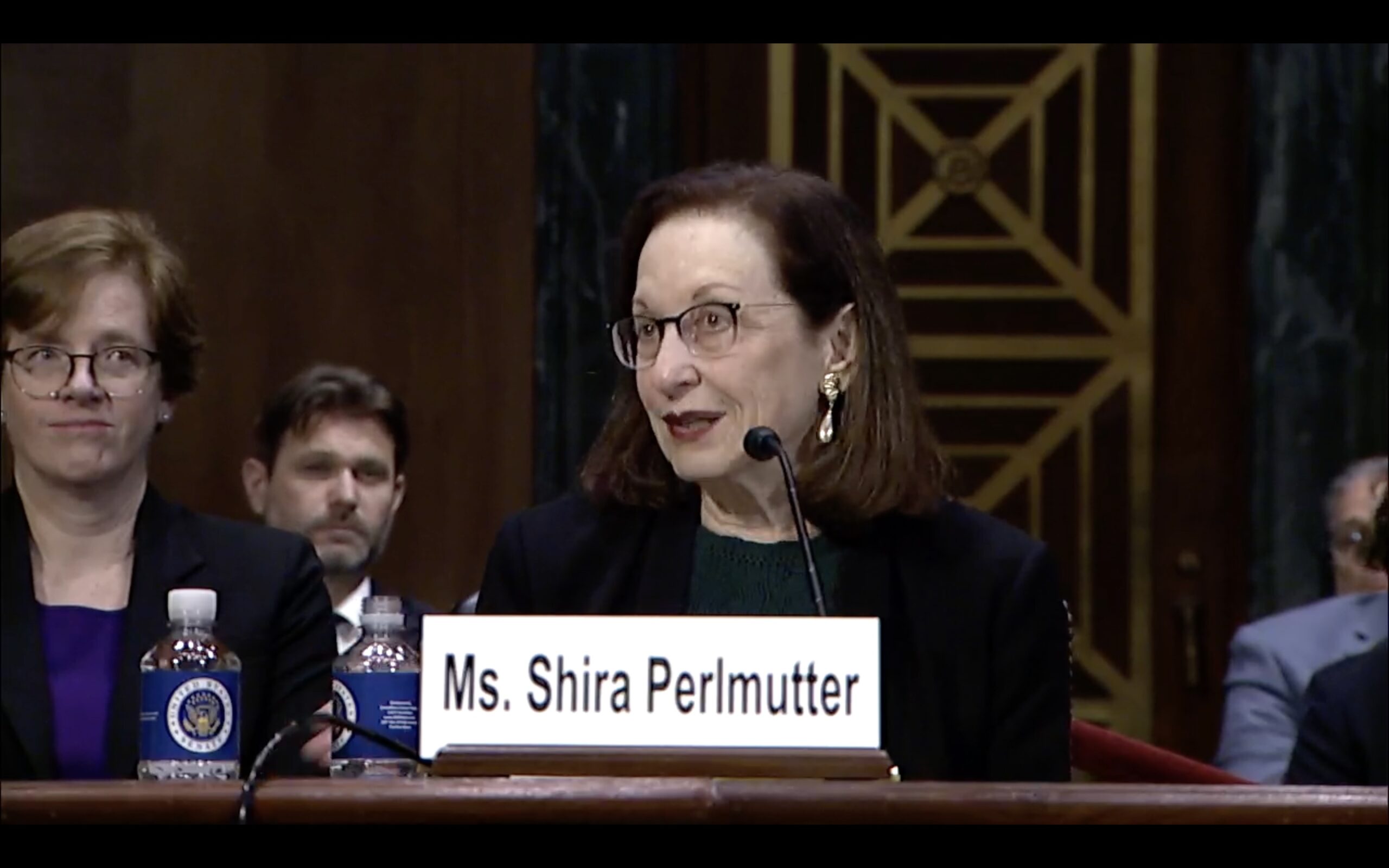
The ghost of executive overreach loomed large. Senator Mazie Hirono didn’t mince words, directly confronting Register of Copyrights Shira Perlmutter about former President Trump’s attempts to assert control. The chilling phrase: “President Trump tried to illegally fire you.” It’s a stark reminder that the very independence of this legislative arm—essential for unbiased advice to lawmakers—was, and perhaps still is, under siege.
Perlmutter, predictably, remained diplomatic, though her defense of the Copyright Office’s placement within the Library of Congress—a legislative entity—was anything but subtle. Moving it to the executive branch? That, she suggested, would invite unwelcome costs and disruptive chaos. It’s a classic argument: keep the policy wonks away from the political firing line.
Then there’s the AI elephant in the room. Chairman Thom Tillis laid it out with brutal clarity: AI models don’t spontaneously generate training data. They ingest human creations, creations that exist because copyright law, imperfect as it may be, incentivized their making. His warning reverberated: “while there’s no question that the U.S. is in an AI race with China, the U.S. should not be in a race to the bottom.” That’s the real tightrope walk: fostering innovation without gutting the incentives for creation.
Ranking Member Adam Schiff echoed the anxieties of the creative class. Creators aren’t just worried about AI replacing them; they’re seeing their life’s work — their copyright-protected material — used without consent or compensation to build the very systems that might render them obsolete. It’s a digital feeding frenzy, and the CLEAR Act, Schiff’s proposed legislation, is an attempt to inject some much-needed transparency into that process.
The AI Imbalance: Copyright’s New Frontier
Perlmutter’s update on the Copyright Office’s AI initiative painted a picture of an agency grappling with an unprecedented influx of input — over 10,000 public comments. Their conclusion? A clear and urgent need for federal protections against unauthorized digital replicas. And a crucial clarification on copyrightability itself: human contribution remains the sine qua non, even as AI blurs the lines of authorship. This isn’t just about protecting existing works; it’s about redefining what “creation” means in the age of generative models.
The legislative branch agencies clarification act, H.R. 6028, surfaces as a potential structural band-aid, aiming to formally disentangle the Copyright Office from the Library of Congress. But consumer rights groups are sounding alarms, calling rushed separation a “grave mistake.” This is where the architecture matters. Is the goal to strengthen the office, or to make it more vulnerable to shifting political winds? The jury’s still out, but the undercurrent of expediency is palpable.
Is the Copyright Office Truly Safe From Political Interference?
The defense of the Copyright Office’s legislative perch is more than just bureaucratic turf war. It’s a defense of a system designed to insulate intellectual property policy from the immediate, often short-sighted, demands of presidential administrations or partisan agendas. When senators like Padilla decry a former president’s actions as a “power grab” and a “clear assault” on Congress, they’re not just talking about a specific individual; they’re flagging a systemic threat to the separation of powers itself. The attempts to install loyalists, to override established governance structures—it all points to a broader pattern of executive branch agencies attempting to absorb or control entities historically vested with legislative oversight. The question isn’t if this will happen again, but when, and what structural safeguards will truly be in place.
The Copyright Office’s role extends far beyond simply registering works. It’s an advisory body, a source of expert analysis for Congress as it navigates complex legal landscapes. Imagine Congress trying to craft AI legislation without a dedicated, non-partisan source of expertise on copyright implications. It’s a recipe for policy that’s either hopelessly out of date or dangerously skewed. The Trump administration’s actions, viewed through this lens, weren’t just personal power plays; they were an attack on the functional capacity of Congress to legislate effectively in a rapidly changing technological environment.
So, as the Supreme Court deliberates cases like Trump v. Perlmutter, the stakes are astronomically high. It’s not just about Shira Perlmutter’s job. It’s about the enduring architectural principle of checks and balances, and whether a critical advisory body can maintain its integrity when political forces seek to bend it to their will. The intersection of AI and executive overreach isn’t a future problem; it’s a present-day crisis for the very foundations of intellectual property law in the United States.
Perlmutter has forcefully opposed this, arguing the Copyright Office is housed within the Library of Congress, a legislative branch agency, and accusing the administration of making an “inexcusable mess” of Congress’s governance plans.
The legal wrangling over the Copyright Office’s status, particularly the Trump v. Perlmutter case, highlights a fundamental tension. Is the office an independent advisor to Congress, or is it an executive agency subject to presidential removal powers? The D.C. Circuit’s injunction suggested the former, a ruling the Trump administration fought tooth and nail. The Supreme Court’s decision to defer this, linking it to other removal power cases, underscores just how far-reaching the implications are for the balance of power. If the executive can readily dismiss heads of legislative support offices, the legislative branch’s ability to act independently is severely compromised. This isn’t just legal minutiae; it’s about the functional separation of powers in practice.
Ultimately, the Copyright Office’s fight for independence is a proxy battle for the future of intellectual property in the age of AI. Its ability to function without political compromise is paramount. The architects of AI need clear rules. Creators need certainty. And Congress needs reliable, unvarnished advice. The current kerfuffle, while seemingly a political drama, is revealing the underlying architectural vulnerabilities in how we govern innovation.
🧬 Related Insights
- Read more: Senators Demand AI Video Apps Halt IP Theft | ByteDance in Crosshairs
- Read more: DraftKings Loses Patent Fight: What It Means for Gaming IP
Frequently Asked Questions
What is the main concern regarding AI and copyright? Generative AI models are often trained on copyrighted works without creator consent or compensation, leading to concerns about unauthorized replication and market displacement for original artists and writers.
Why are senators defending the Copyright Office’s independence? Senators are defending its independence to ensure it can provide non-partisan expert advice to Congress on copyright matters, particularly concerning AI, free from executive branch political pressure or interference.
What is the Legislative Branch Agencies Clarification Act? This bill seeks to formally separate the Copyright Office from the Library of Congress, a move that consumer advocates warn could be detrimental if rushed, potentially impacting the office’s structural integrity and independence.