AI owns the future of know-how.
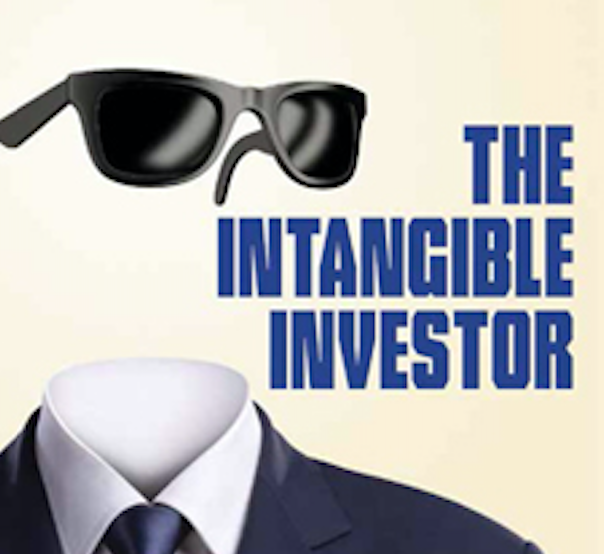
Picture this: the grizzled engineer’s gut hunch on why a bridge design sags just so, or the sales vet’s sixth sense for a buyer’s hidden objection—stuff that’s pure magic, uncodifiable, until now. David J. Teece, the IP sage with 250,000+ citations under his belt, drops a bombshell in The Intangible Investor: artificial intelligence is cracking the ‘knowledge problem’ wide open, sucking tacit expertise from brains into proprietary algorithms. It’s not hype; it’s a platform shift bigger than the assembly line, turning human capital—elusive, expensive—into structural gold firms can lock down forever.
And here’s the kicker: companies sprinting to deploy these AI knowledge-capture tools? They’re building moats of codified expertise that competitors can’t poach. Laggards? Watch their secrets walk out the door, systematized by ex-employees at rival shops.
“Firms that move quickly to implement AI-based knowledge capture will find themselves with defensible competitive positions rooted in codified expertise.”
Teece nails it right there—straight fire from a guy who’s shaped how we think about intellectual capital for decades.
From Fleeting Minds to Ironclad Assets
But let’s unpack this beast. Tacit knowledge? That’s the dark matter of business, the intuitive wizardry that doesn’t fit in manuals. Employees carried it away nightly, and poof—gone when they jumped ship. AI changes everything: machine learning watches experts at work, maps their decision patterns, distills the ‘feel’ into code. Suddenly, the loan officer’s credit sniff-test becomes an algorithm. The engineer’s tradeoff artistry? Baked into software.
This isn’t mere productivity juice. Nope. Teece calls it a rewrite of the ‘appropriability regime’—econ-speak for how firms claim ownership of value. Human capital? You rent it, can’t own it. Structural capital? That’s yours, patentable, protectable. AI blurs the line, or rather, erases it, handing companies trade secrets from what used to be unstealable heads.
Think Industrial Revolution 2.0, but instead of steam engines mechanizing muscle, we’re mechanizing minds. Back then, factories owned the machines; skills were commoditized. Today? Firms own the algorithms mimicking top talent. Bold prediction: by 2030, trade secret filings will explode 5x, fueled by AI-extracted wisdom, forcing IP law into overdrive.
A single truth hits hard.
The Trade Secret Boom—No Joke
We’re staring down a trade secret renaissance, wilder than the patent wars of the ’90s. AI doesn’t just log procedures; it grabs the juicy bits—the workarounds, rule-bends, accumulated hacks that make pros shine. Once algorithmic, boom: protectable IP. Courts built for analog eras won’t know what hit ‘em.
Who owns this? Tricky. Employee hones skills at Firm A, jumps to Firm B, but Firm A already AI-captured it all? Lawsuits incoming. Legislatures scrambling. Teece flags the haze: IP treatment of employee contributions is murky, but businesses? They’re all-in on owning their institutional sauce.
Look, corporate PR spins this as ‘efficiency gains’—yawn. But dig deeper: it’s a power grab. Firms aren’t just automating; they’re embalming expertise, making superstars redundant while enshrining their magic. Skeptical? Fair. Yet Teece’s track record—30 books, endless papers—says bet on this shift.
Beyond the Jobpocalypse Hype
Sure, routine brainwork gets zapped—fair enough. But Teece pushes back on the doom scroll: AI spotlights what machines can’t touch. Creative sparks, entrepreneurial guts, relationship weaves? Those premiums skyrocket as bots handle the grunt.
New gigs sprout too: AI wranglers for oversight, training, edge-case fixes. Humans still rule the refinements.
And the big one—cut short in the original, but obvious: knowledge capture supercharges innovation loops. Feed AI your best patterns, it spits back amplified insights. It’s symbiotic, not scorched earth.
Here’s my unique spin, absent from Teece’s piece: this mirrors the open-source wars of the early 2000s. Back then, code-hoarders lost to sharers; now, knowledge-hoarders via AI win unless regs intervene. Prediction? Employee-side pushback births ‘knowledge portability’ laws, like right-to-repair for brains. Europe’s already sniffing around—watch GDPR 2.0 morph into IP shields for workers.
Firms, don’t sleep.
Thrilling chaos ahead. AI doesn’t steal knowledge; it immortalizes it—for those bold enough to grab it. Teece’s vision? A world where IP isn’t paperwork, but living algorithms pulsing with captured genius. Buckle up; the knowledge economy just got teeth.
Will AI Knowledge Capture Kill Jobs?
Not outright. Routine tasks fade, but creative, oversight roles boom. Teece sees amplification, not annihilation—human edge sharpens as AI handles the drudge.
Who Owns AI-Captured Employee Expertise?
Murky now. Firms claim it as trade secrets from observation, but employee rights to general skills clash. Expect court battles, law tweaks soon.
How Can Companies Start AI Knowledge Capture?
Deploy ML observers on expert workflows now. Protect as trade secrets fast. Beat rivals to codified moats—or watch them build yours.
🧬 Related Insights
- Read more: Google Clings to Intel CPUs as AI Infrastructure Crunch Bites
- Read more: The Toolkit Builders Are Fighting Back: How Communities Can Actually Stop AI Data Centers
Frequently Asked Questions
What is tacit knowledge in business? Tacit knowledge is the uncodifiable ‘know-how’—intuitions, habits, feels—that experts carry in their heads, hard to teach or document.
How does AI capture institutional knowledge? AI watches employees work, learns patterns in decisions and adaptations, then codifies it into algorithms firms can own as IP.
Are trade secrets safe from AI-extracted knowledge? Safer than ever—AI turns tacit into explicit, protectable assets. But legal fights loom over ownership from employee observation.