Patent monetization deals have plunged over 60% in the last decade, according to brokers like Louis Carbonneau. That’s not hyperbole; it’s the grim math strangling solo inventors and startups.
And here’s the kicker.
This isn’t just a blip. It’s a full-on breakdown of the innovation engine — that beautiful, repeatable loop where you invent, patent, cash in, then pour profits back into the next breakthrough. Picture a flywheel spinning wildly in the Industrial Revolution, powered by steam engine patents that minted fortunes and fueled factories. Today? That flywheel’s rusted solid.
Louis Carbonneau, patent broker extraordinaire, laid it bare on IPWatchdog Unleashed. Big Tech’s running a brazen “use now, litigate later” scam — or more politely, “pay later (if ever).” They snatch ideas, embed them in trillion-dollar products, and dare you to sue. Small fry can’t afford the decade-long courtroom brawl.
Result? Innovators hit a wall after one hit. No reinvestment. No velocity. Just a “why bother” shrug. Carbonneau nails it:
Simply stated, under the current laws innovators cannot afford to continue to innovate because they are not compensated for their efforts even when what they have created becomes wildly popular.
Boom. That’s the gut punch.
Why Big Tech’s ‘Free Ride’ Feels Like Theft — But Isn’t to Them
But — and this is my hot take, the one you’ll not find in the original chat — it’s Napster 2.0 for patents. Remember downloading Metallica albums for zilch? That cultural virus jumped species, from music bytes to invention blueprints. Kids who grew up pirating Spotify now greenlight boardroom IP grabs, convinced it’s just “how tech works.”
Carbonneau spots the generational glitch perfectly: execs from the free-content era see patent infringement as a whoopsie, not a crime. Incidental overlap, they call it. Meanwhile, the little guy’s breakthrough powers their iPhone-killer, zero royalties attached.
It’s not malice. It’s drift. A whole economy wired for frictionless scaling, where patents are speed bumps, not toll booths.
Short para punch: This devalues every patent filed.
Then sprawls: And without legislative muscle — think §101 eligibility still a crapshoot, PTAB IPRs gutting weak patents like candy — markets stay frozen. Carbonneau’s optimistic on PTAB tweaks making things “better than a decade ago,” but c’mon. Fragile recovery? More like triage.
Can AI Flip the Script on Patent Monetization?
Enter AI, the cosmic wildcard. Not as a side note — as the inflection point. We’re talking AI drafting ironclad patents, sniffing infringement in real-time, even valuing portfolios like stock tickers.
Imagine: Your startup’s widget gets cloned? AI scans GitHub, app stores, supply chains — flags it instantly. No more “discovering” theft years later. Monetization brokers like Carbonneau predict AI workflows yielding higher-quality patents that survive PTAB gauntlets and court.
My bold prediction? AI births patent marketplaces on blockchain — think NFT auctions for IP rights, fractional ownership for retail investors. Suddenly, individual inventors crowdfund enforcement via tokenized patents. Big Tech pays up front or gets swarmed by micro-litigators. It’s the platform shift: AI doesn’t just tool up lawyers; it democratizes the whole monetization game.
Energy here: Picture the wonder — inventors worldwide, reinvesting royalties into moonshot labs, compounding like Moore’s Law on steroids.
But skepticism check. Hype alert: Companies peddle AI patent tools as saviors, yet most are glorified autocomplete. True edge? Only if you blend it with human rigor, as Carbonneau urges.
Is PTAB Reform Enough to Restart the Flywheel?
Cautious yes from Carbonneau. IPR proceedings got weaponized against patentees; now they’re dialing back. Deals tick up.
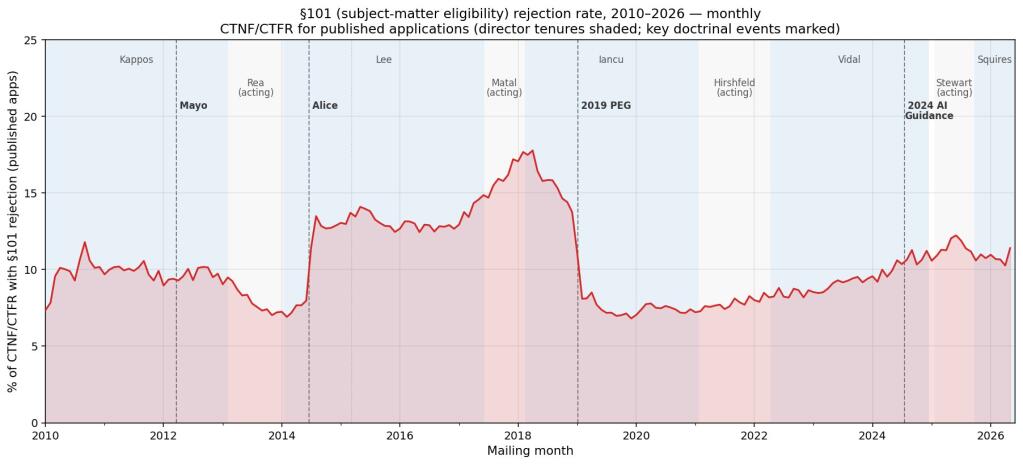
Yet §101 haunts: Abstract ideas? Unpatentable mush. No reform? AI inventions themselves at risk — is training data on prior art “abstract”?
Wander a sec: This loops back to incentives. Fix monetization, and AI patent floodgates open. Miss it? Innovation crawls while China laps us.
One sentence: Thrilling stakes.
Then dense: Broader fix needs cultural reboot too — teach C-suites IP’s not free candy. Pair with AI enforcers, and boom: Velocity returns. Reinvest cycles spin anew. We’re not just patching; we’re launching into hyperscale innovation 2.0.
🧬 Related Insights
- Read more: Taxa 4×35’s €160K GDPR Hit: Why ‘Anonymous’ Data Isn’t What You Think
- Read more: Anthropic’s Mythos Model Finds Thousands of Zero-Days—But the Real Risk Is Political
Frequently Asked Questions
What is patent monetization, exactly?
Selling or licensing your patents to cash in on inventions, fueling the next round of R&D.
How will AI change patent monetization?
By automating quality patents, detecting infringement fast, and enabling new marketplaces — potentially exploding deal values.
Are PTAB changes helping inventors?
Yes, marginally — fewer IPR killings mean stronger portfolios, but §101 reform’s the real unlock.