Backlogs? Obliterated.
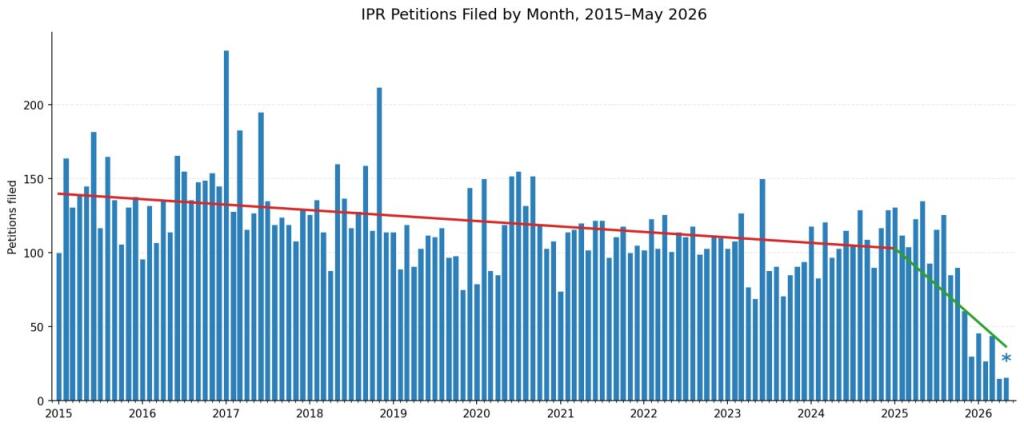
Picture this: the U.S. Patent and Trademark Office, that colossal bureaucratic beast, finally shaking off years of sludge. As of April 6, their unexamined patent pile plunged to 776,995 — the skinniest it’s been in two whole years, down from a bloated 837,928 in January 2025. Director John Squires isn’t mincing words; he calls it the “tipping point of momentum now in favor of the applicant.” And yeah, he’s got a point — this isn’t just numbers dropping. It’s inventors breathing easy, AI dreamers filing without fear of eternal limbo.
Squires didn’t sugarcoat the mess he inherited either. Back in October, at the AIPLA meeting, he labeled it an “absolute dumpster fire,” a betrayal of American innovators. (Inherited from Kathi Vidal, who blamed COVID — fair, but oof.) Now? They’re not just holding the line; they’re shrinking it while onboarding more apps under fresh guidance like Desjardins precedent. Expect further drops next two quarters. It’s like watching a rusty engine roar to life.
Why a Leaner USPTO Supercharges AI
AI isn’t some side gig anymore — it’s the platform shift of our era, rewiring everything from code to creativity. But clogged patent pipes? That’s poison. Thousands of AI breakthroughs — think neural nets that mimic human intuition, or quantum-AI hybrids devouring data — sat moldering. Now, with backlog busted, we’re staring at an explosion. My bold call: this mirrors the 1890s patent frenzy around electricity. Edison filed 1,093; Tesla, hundreds. Result? The electric age. AI’s turn — expect 2026 to drown in filings for generative models, edge AI, ethical safeguards. Inventors, your moment’s here.
But here’s the quote that lands it:
“the USPTO’s inventory of unexamined patent applications dropped to the lowest level in two years to 776,995, down from a high of 837,928 in January of 2025.”
Straight from the USPTO announcement. No fluff. Pure momentum.
And it’s not all roses — CAFC just affirmed PTAB nuking claims in Universal Electronics’ voice input patent against Roku. Obviousness strikes again. But even that? Clears deadwood, makes room for real AI voice tech to shine.
Europe’s AI Copyright Taskforce: Dance or Dodge?
Across the pond, the EU’s GPAI Signatory Taskforce — big guns like Amazon, Google, Microsoft — huddled for round two on April 8. Focus? The Copyright Chapter of their AI Code of Practice. Mitigating infringing outputs, complaint hotlines, attribution algos. It’s tense — AI slurps copyrighted works like a black hole devours stars, spitting out mashups that lawyers love to litigate.
Why care? Because if Europe nails this, it sets global rails. Imagine AI models with built-in “fair use” filters, crediting sources invisibly. Or flopping into fines. Taskforce sharing “best practices” sounds collaborative — but is it PR spin to dodge the AI Act’s teeth? Skeptical me says watch for teeth: real mitigation tech, not vaporware.
OpenAI’s Project Giraffe: Spill the Secrets
Boom — Judge Ona Wang demands a do-over depo from an OpenAI witness who blanked on basics of “Project Giraffe.” That’s their copyright infringement shield, folks. Couldn’t testify details? Red flag. This ties straight to the AI copyright wars: train on books, art, code — output magic or mayhem?
Project Giraffe aims to sniff out infringement pre-release, but opacity kills trust. Second depo? Could crack it open. Prediction: revelations here reshape how we audit black-box training data. Like peering into a fusion reactor — dazzling, dangerous.
Court Wins Ripples: Fair Use for Codes, Google Dodges
Third Circuit drops a gem: online pub of ASTM building codes (baked into municipal law) is transformative fair use. Public access trumps lockbox. Huge for AI — training on “referenced” public docs? Green light-ish.
Fifth Circuit hands Google a venue transfer win in antitrust mandamus fight — over Higginson’s dissent. Search giant slips another loop.
Eleventh Circuit backs DISH on Arabic TV piracy. Retransmissions? Slam dunk infringement.
Yuga Labs settles BAYC satire suit — defendant quits the mocks. NFT IP flexes.
South Korea’s ETRI hits revenue peak on SEP licensing. Wireless wars pay.
Meta-CoreWeave AI cloud pact: $21B through 2032. Infrastructure arms race.
Will Reduced USPTO Backlog Spark AI Patent Gold Rush?
Absolutely. Shorter waits mean faster moats around AI IP. Startups file bold; incumbents defend. But watch eligibility traps — Alice ghost still haunts software patents. Inventors, strike now.
How Does OpenAI’s Project Giraffe Fight Copyright Theft?
It’s their internal tool to detect and block infringing gen-AI spits. Details fuzzy — hence the depo drama. Success? Models that create without copying. Fail? Lawsuits galore.
Is EU GPAI Code of Practice Toothless Hype?
Maybe — voluntary sign-ups, no mandates yet. But taskforce pressure could forge real standards. Eyes on outputs: do Big Tech models hallucinate less IP crime?
**
🧬 Related Insights
- Read more: Project Nimbus: Google and Amazon See the Risks, Shrug Them Off
- Read more: Mission Creep: Cop Cameras Sold for Killers, Used on Protesters
Frequently Asked Questions**
What is the current USPTO patent backlog?
776,995 as of April 6 — lowest in two years, heading lower.
Does USPTO backlog reduction help AI inventors?
Huge yes — quicker exams mean faster protection for machine learning breakthroughs.
What is OpenAI Project Giraffe?
Internal system to mitigate copyright issues in AI training and outputs; under court scrutiny.