Duncan’s ruling hits like a brick through a courtroom window — no prep, no problem, apparently.
I’m staring at this Fifth Circuit decision from Judge Stuart Kyle Duncan, and it’s the kind of thing that makes you wonder if anyone’s actually cracking open the case files anymore. The guy’s opinion? A masterclass in winging it. Establishment Clause? Whatever, doesn’t matter. Twenty years in this beat, I’ve seen judges spin yarns, but this one’s got me rubbing my eyes.
Who’s Actually Reading the Briefs Anymore?
Look, Duncan’s take — that the Establishment Clause is basically irrelevant now — isn’t just bold; it’s a neon sign screaming ‘I skimmed this.’ Critics are piling on, calling it lazy jurisprudence, and they’re not wrong. Here’s the money quote from the dissent, because someone had to do the homework:
“The majority opinion proceeds as if the Establishment Clause disappeared sometime between 1947 and now. It didn’t.”
That’s the kind of sharp jab that keeps the law honest. But Duncan? He’s already onto the next panel, facts be damned. It’s like watching a poker player bluff with a straight face — impressive, if you’re into that sort of thing.
And here’s my unique spin, one you won’t find in the court docs: this reeks of the same vibe as those 2010s tech CEOs who ‘disrupted’ without reading the user manuals. Remember Theranos? Elizabeth Holmes sold blood tests on vibes alone. Duncan’s playing the judicial Holmes — high stakes, low prep. Predict this: expect copycat rulings from lower courts, turning ‘good enough’ into the new legal standard.
Short version? Laziness pays.
Why Are Law Schools Still Pushing Real Estate Hype?
Switching gears — because why not? — these ‘top real estate law programs’ lists are popping up like bad mushrooms after rain. Keeping it real about real estate law, they say. Schools at the top of your list! Please. I’ve covered enough law school rankings to know they’re mostly admissions bait, dressed up as career advice.
But dig in: NYU, Georgetown, they’re dominating because, surprise, they’ve got the alumni networks and DC connections that actually land jobs. Not because their profs are reinventing torts. Who’s making money? The schools, raking in tuition from wide-eyed 0Ls dreaming of Manhattan closings. Students? They’ll find out the hard way that real estate law means endless title searches and cranky clients.
One paragraph wonders: is this just another cycle, like the crypto law boom that busted? Yeah, probably. Bet on consolidation — fewer big firms, more solo practitioners scraping by on Zillow leads.
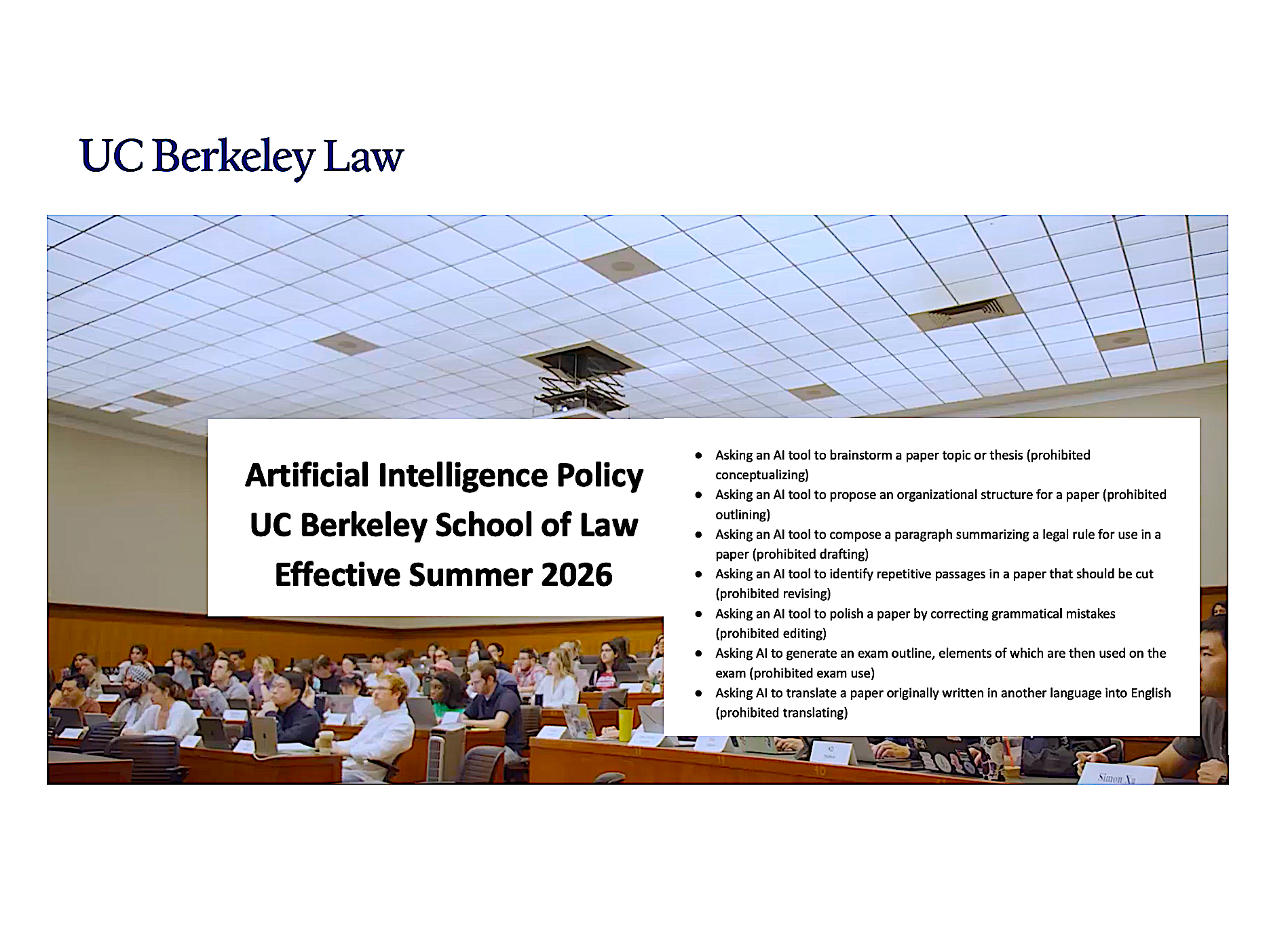
Can AI Replace Lawyer Judgment?
Exercise judgment, they say. AI can help, but you’re still at the helm. Damn right. This week’s reminder that no algorithm’s touching the soul of lawyering — not yet.
Picture it: you’re knee-deep in a merger, AI spits out contract flags, but the real magic? That gut call on whether the CEO’s bluffing in depo. Tools like Harvey or Casetext? Handy sidekicks. But helm’s yours. I’ve seen lawyers feed bad data to early AI systems, get garbage out, and file it anyway. Disaster.
The hype — oh god, the hype — promises robo-lawyers. Bull. Twenty years ago, it was e-discovery killing paralegals. Didn’t happen. Humans stayed. Same here. Unique insight: this ‘AI at the helm’ talk is PR spin from vendors chasing billable hours. Real money? In training lawyers to babysit the bots, not replace them.
Is DEI Dead in Corporate America?
Goodbye, DEI. Companies have given up the song and dance.
One sentence: about time someone called the bluff.
But let’s unpack — because it’s not just quitting; it’s smart business. Post-2020, every Fortune 500 had rainbow logos and VPs of Belonging. Now? Layoffs hit DEI teams first. Why? Metrics. Diversity quotas didn’t boost profits; they bred resentment and lawsuits. Who’s winning? The consultants who pivoted to ‘inclusion audits’ — same grift, new name.
Cynical me says: boards finally read the room. Or the shareholder letters. Historical parallel? The 90s diversity push after Rodney King — faded fast when ROI didn’t materialize. Prediction: by 2026, DEI’s a footnote, replaced by ‘merit-only’ hiring that somehow looks a lot like the old boys’ club.
Law Student’s Jeopardy Streak: The Feel-Good Distraction
And finally, this Seton Hall kid from Jersey owning Jeopardy. Amazing run, trivia nerds rejoice.
She’s crushing categories from con law to quantum physics — law student’s dream, right? Makes you think: maybe the bar exam’s next. But here’s the vet’s eye-roll: while she’s winning quarters, back in reality, Big Law’s churning out debt slaves. Who’s profiting? TV producers, that’s who. Students watch, apply to Seton Hall, rinse, repeat.
Cool story. Still, root for her.
Why Does This Legal Roundup Matter Right Now?
Pull it together: Duncan’s sloppiness signals a judiciary cutting corners — bad for everyone. Real estate lists? Dream-selling. AI? Guard your judgment. DEI’s demise? Market forces win. Jeopardy kid? Harmless fun.
But the thread? Elites (judges, schools, corps) spin narratives while the rest scramble. Money flows up. Always does. In tech-law crossovers — yeah, this is Legal AI Beat — watch AI eat the low-end judgment work first. Humans? Steer the ship, or sink.
Twenty years in, same game.
🧬 Related Insights
- Read more: Jones Day Hacked Again: Social Engineering Exposes Elite Law Firm’s Vulnerabilities
- Read more: The Robotic Governance Framework That’s Rewriting How We Think About AI Accountability
Frequently Asked Questions
What did Judge Duncan actually rule on the Establishment Clause?
He basically sidelined it, arguing it’s outdated — dissenters say that’s judicial malpractice.
Is AI taking over lawyer jobs?
Nah, it helps with grunt work, but judgment’s irreplaceable — stay sharp.
Why are companies dropping DEI programs?
No ROI, plus legal heat — back to merit, or whatever they call it now.