So, the big news out of the legal world this week? Those grand jury transcripts from the Trump 2020 election investigation are finally public. We’re talking 60-plus witnesses. Sixty. That’s a lot of ink, a lot of coffee spilled, a lot of lawyers mumbling into their sleeves.
But here’s the thing: for the average person trying to decipher the daily news cycle, this feels less like a watershed moment and more like another Tuesday. Will this seismic dump of paper change anything? Probably not in the way the headlines scream. It’s more likely to become fodder for cable news panels and another round of partisan finger-pointing. The real people affected are the ones caught in the legal crossfire, the witnesses now under even more scrutiny, and frankly, any citizen who still believes the justice system operates with pristine, unbiased clarity. For most of us, it’s just more noise in an already deafening information environment.
The Witness Report
The sheer volume is staggering. This isn’t some quiet backroom deal; this is a full-blown interrogation, a judicial deep dive into an election’s aftermath. Imagine being one of those 60 people. Your life, your words, laid bare for public consumption, dissected by pundits and politicians alike. It’s a stark reminder that while we watch from the sidelines, others are living through the legal machinery, for better or worse.
Beyond the Trump circus, the legal landscape is, as always, a chaotic jumble. We’ve got the Supreme Court’s decision in Callais, which apparently has roots in Chief Justice John Roberts’s formative years in a rather… exclusive neighborhood. Interesting how personal histories can ripple out and shape national legal precedent. It makes you wonder how many other seemingly abstract legal battles have origins in someone’s childhood backyard.
And then there’s the insider trading saga. A former Willkie Farr lawyer turned key cooperator. Classic. The revolving door of law firms and the allure of illicit gains—it’s a story as old as time, just with slightly more sophisticated digital trails to follow these days. Who’s making money here? Well, not the guy who got caught, that’s for sure. The cooperators? They might walk away with a lighter sentence, which is its own kind of profit. The government gets its conviction. The rest of us get another cautionary tale.
“Todd Blanche tells CBS News that he doesn’t know anything about Jim Comey getting indicted over “Sea Shellgate” and blames the whole thing on local prosecutors and that “I don’t even know their names.” Apparently the “we spent 9 months investigating this at the highest levels” line from the week before wasn’t testing well.”
This quote, dripping with political theater, is almost more telling than the grand jury transcripts themselves. The spin, the denial, the blame-shifting—it’s a masterclass in damage control that reveals more about the inner workings of political defense than any legal filing. It’s less about truth, more about narrative.
Tariffs, Texas, and Truth-Telling
Trump’s tariff case is another L. Predictable, frankly. The man’s legal team has been less a crack squad of legal eagles and more a revolving door of… well, let’s just say it hasn’t been smooth sailing. And the reaction? Shockingly, no dignified grace. Color me surprised.
The UCLA Federalist Society brouhaha also gets a much-needed dose of reality. The narrative of a “campus free speech crisis” collapsing under scrutiny is hardly new, but it’s always worth highlighting when the reality is so starkly different from the social media outrage. It’s a good old-fashioned case of manufactured controversy, designed to feed a particular political beast. Who profits? Those who can cultivate outrage and engagement, regardless of the facts.
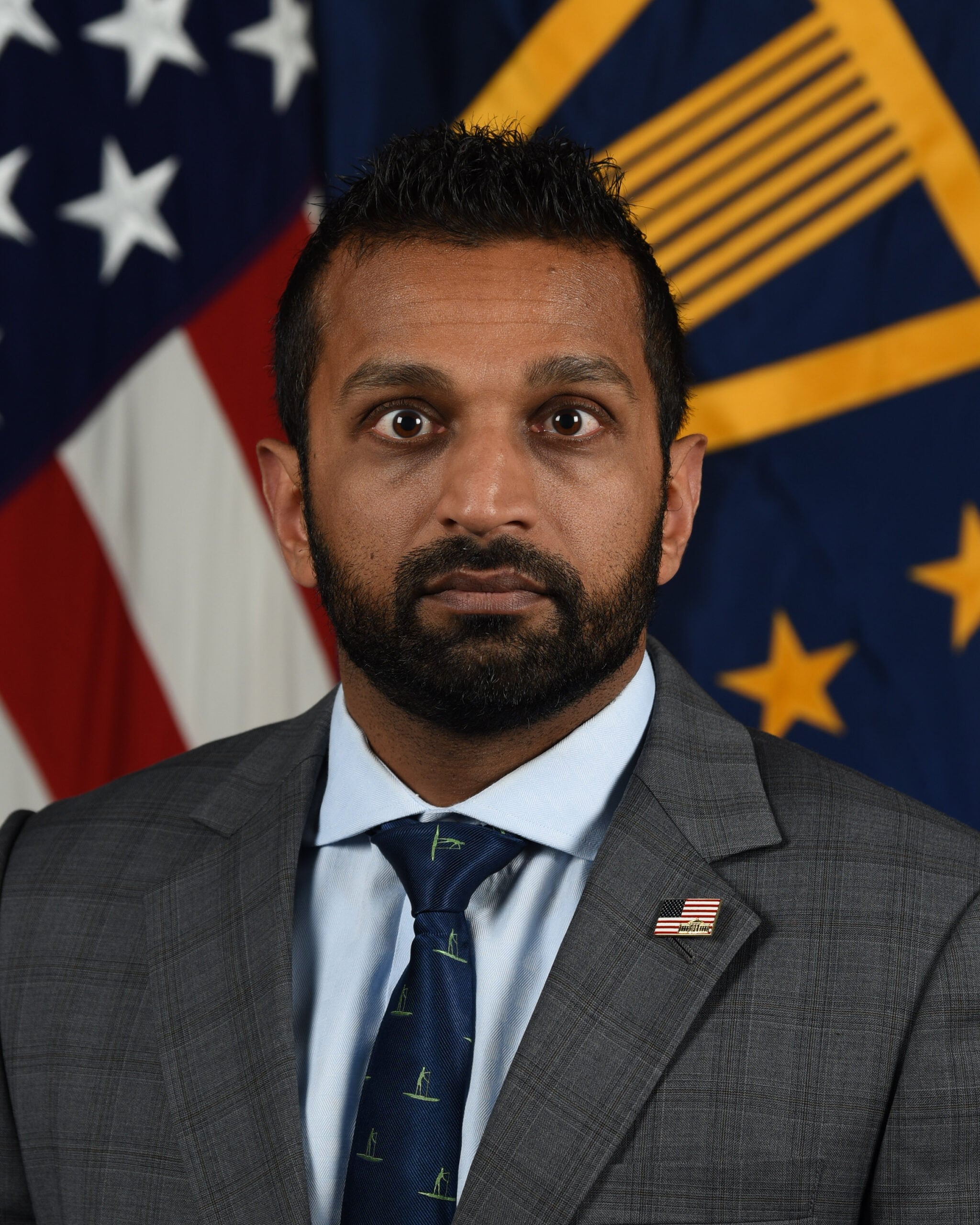
And finally, Kash Patel. Polygraphs. For drinking escapades that he claims never happened. This is where we are. The desperation to plug leaks, to control a narrative that’s clearly spiraling, has reached the stage of administering lie detector tests to former and current staff. It’s not just politics; it’s a clown car crash happening in slow motion.
What does it all mean? It means the legal system, especially when intertwined with high-profile politics, is a messy, often performative beast. The transcripts are out, the news cycles churn, and for most of us, the immediate impact is a vague sense of unease mixed with a healthy dose of cynicism. We’re left sifting through the debris, trying to find the signal in the noise, and asking, as always, who’s really winning here?
Why Does This All Matter for Legal Professionals?
For those in the legal trenches, these aren’t just headlines. They’re case studies, they’re shifts in precedent, they’re indicators of prosecutorial focus and defense strategies. The release of the Trump transcripts, for instance, provides invaluable data for anyone studying grand jury procedures and witness testimony under pressure. It’s a living, breathing textbook of legal practice, albeit a highly dramatic one. Understanding how these high-stakes cases unfold, how information is managed (or mismanaged), and how the public narrative is shaped, is critical for navigating your own professional path. Plus, it’s a constant reminder that while technology offers new tools, the human element—ambition, error, ego—remains the most unpredictable variable in any legal equation.
Will This Affect Upcoming Elections?
Directly, probably not. Indirectly? That’s the million-dollar question. The ongoing legal dramas, the constant stream of accusations and investigations, they certainly contribute to a general sense of political fatigue and distrust. For some voters, this might reinforce existing beliefs about the justice system or specific political figures. For others, it might just be more noise they tune out. The real impact lies in how these legal narratives are framed and consumed. If they solidify partisan divides or further erode faith in institutions, then yes, the ripples can certainly reach the ballot box. But as a singular event, the release of transcripts is unlikely to be a deciding factor on its own; it’s part of a much larger, ongoing cultural and political conversation.
🧬 Related Insights
- Read more: AI Porn Training Schemes Ignite Lawsuit
- Read more: OpenAI’s $122B Cash Grab: Retail FOMO Before the IPO Circus
Frequently Asked Questions
What exactly are the Trump 2020 election interference case transcripts? These are the official records of testimony given by witnesses before the grand jury investigating alleged efforts by Donald Trump and his allies to interfere with the 2020 presidential election results.
Who is Kash Patel and why is he reportedly ordering polygraphs? Kash Patel is a former U.S. Department of Defense official and close associate of Donald Trump. Reports suggest he is ordering polygraph tests to identify individuals leaking information to the press about alleged drinking incidents, incidents he has denied.
What is “Sea Shellgate”? “Sea Shellgate” appears to be a colloquial or possibly satirical term, referenced in the provided text concerning Todd Blanche’s comments about Jim Comey and local prosecutors, suggesting a minor or trivial matter being blown out of proportion or investigated intensely.