License plate readers are out of control.
Flock Safety’s automated license plate readers (ALPRs) were supposed to catch bad guys. That’s the pitch. The company and police departments want you to believe these cameras are essential tools for fighting high-stakes crime. But a deep dive by the EFF into millions of police searches tells a far less heroic story. It turns out, without a warrant requirement, law enforcement is using these surveillance networks for whatever strikes their fancy. And that’s a problem.
This isn’t about tracking down serial killers anymore. This is about unchecked access to incredibly sensitive location data. The EFF’s analysis paints a picture of agencies stretching the use of ALPRs far beyond any reasonable investigation. Think less “Minority Report,” more “Big Brother Lite” for everyday annoyances.
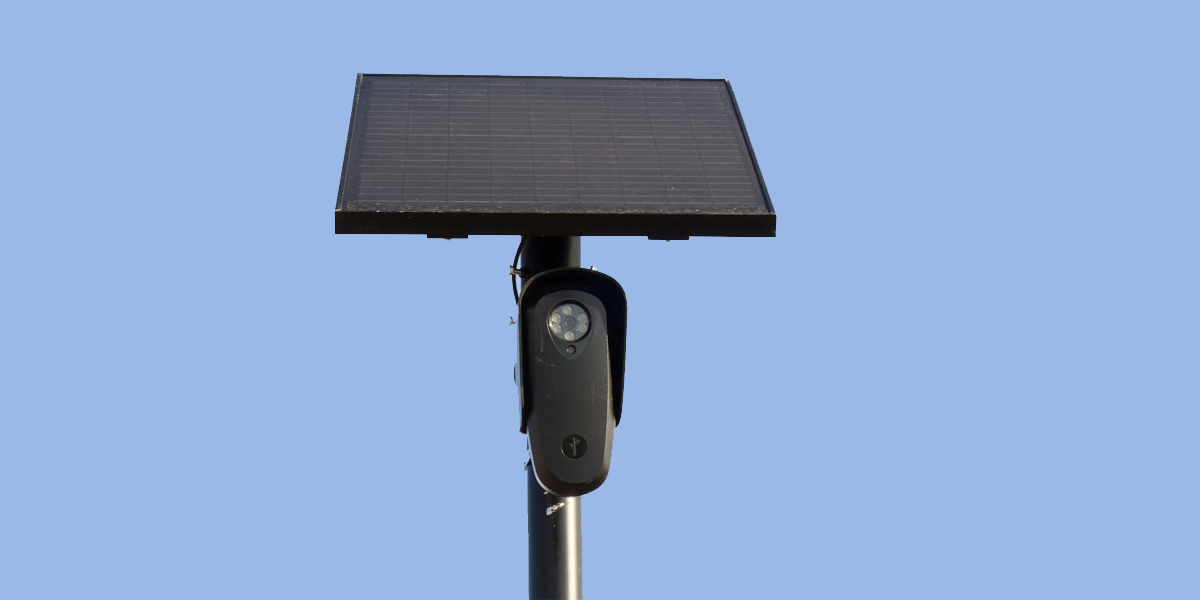
Here’s the deal: Police slap these Flock Safety cameras on poles. They document every single car that passes. Plate, make, model, color, distinguishing marks, date, time, location – it’s all logged. The official line is always about catching fugitives and solving major crimes. But the numbers don’t lie. The data shows these machines are frequently deployed for laughably minor reasons. Verifying if a student actually lives in a specific school district? Check. Conducting employment background checks? Apparently, yes. Investigating a complaint about loud music? You bet. And, for good measure, they’ve even ticketed a motorcyclist just for holding a phone.
The sheer scale of this surveillance is amplified by how indiscriminately these systems share data. Most agencies don’t keep their findings to themselves. They often feed data into a massive national pool. This means a single city’s camera network can be searched hundreds of thousands of times a month. Privacy advocates and journalists pore over these “network audit logs” and find evidence of surveillance used against protesters, people seeking abortions, immigrants, and even ethnic minority groups. Shocking, yes. But the really insidious part is the mundane creep.
This constant, low-level tracking signals a massive mission creep. What was sold as a crime-fighting tool has morphed into a universal movement tracker. It’s surveillance for surveillance’s sake.
School Zone Snooping
Schools want to make sure kids live where they say they do. Makes sense, in theory. But to verify residency, some districts are roping in the cops. And those cops? They’re using ALPR databases. Suddenly, the comings and goings of families are under police scrutiny. It’s privacy theater at its worst.
Buford City Schools in Georgia, a district with about 6,000 students, serves as a prime example of this invasive practice. Between January 2025 and March 2026, school police initiated over 375 searches using ALPR data. The stated reason? School residency verification, or “RV.” This accounted for more than half of all ALPR searches during that period. For three months in 2026, three-quarters of all searches were linked to residency checks.
School officials defend this. They claim it’s about protecting the integrity of the district from “residency fraud.” But a simple ALPR search reveals far more than just a home address. In these Buford cases, officers conducted searches across more than 5,800 networks nationwide. Each plate search can expose intimate details about a family’s life: doctor visits, religious attendance, late-night activities, vacation spots. None of that is a school district’s business. This is a gross invasion of privacy masquerading as administrative diligence.
Buford might be the worst offender, but it’s not the only one. Delhi Township Police Department in Ohio, for instance, ran 35 student-related searches across five schools in a three-month stretch during spring 2025. They also stood by their actions, citing a warning to parents about felony charges for false residency claims. After EFF poked around, DTPD did a quick investigation. They claimed the searches weren’t for initial verification, but for investigating suspected fraud. They failed to specify what evidence triggered suspicion for an ALPR query or how many investigations were actually justified. The official line? They’ll change how these queries are documented. Great. More accountability, maybe. Less privacy, definitely.
“While these high-profile abuses are shocking, the more mundane uses are also problematic, signaling a massive, unchecked mission creep that has turned an alleged ‘crime-fighting’ tool into a universal tracker of everyone’s movements.”
The Noise Complaint Nuisance
It gets worse. Beyond school districts, ALPRs are being used for trivial matters. Imagine this: Your neighbor is blasting music. You call the police. Instead of a quick visit from an officer, they decide to track vehicle movements using license plate data. This is precisely what’s happening. Law enforcement is now investigating noise complaints with technology designed for tracking serious criminals. It’s absurd. It turns neighbors into informants and police into busybodies armed with a dragnet.
And background checks? Police are running those too. Who are you working for? Where do you spend your evenings? This isn’t what ALPRs were sold for. This isn’t what the public signed up for. The unchecked expansion of ALPR use transforms a tool that could, potentially, aid in serious investigations into a ubiquitous surveillance system that monitors the mundane activities of ordinary citizens. The EFF’s findings are a stark warning.
Is this the future of law enforcement? A system that treats every driver as a potential suspect, every journey as a point of data to be logged and analyzed for any conceivable reason? It’s a slippery slope, and we’re already halfway down.
Why Does This Matter for Privacy?
The EFF’s analysis is a wake-up call. It demonstrates how quickly surveillance technology, once deployed, can be repurposed for a multitude of uses, often with little transparency or public oversight. The absence of warrant requirements is the critical enabler here. It fosters a lax environment where searches become casual, and the potential for abuse skyrockets. This isn’t just about individual privacy; it’s about the erosion of civil liberties when powerful surveillance tools are placed in the hands of law enforcement without strong checks and balances.
The narrative pushed by ALPR companies and some law enforcement agencies – that these tools are solely for catching dangerous criminals – is demonstrably false. The data reveals a pervasive drift towards using ALPRs for low-level infractions and administrative tasks, effectively turning every vehicle on the road into a piece of data subject to constant monitoring. This mission creep transforms a supposed crime-fighting asset into a tool that erodes trust and fuels suspicion, not security.
What Now?
This isn’t a problem that will solve itself. The continued expansion of ALPR use for non-criminal matters demands greater scrutiny. We need to push for legislation that mandates warrants for accessing ALPR data. We need transparency from law enforcement agencies about how these systems are used. And we need to question the companies selling these technologies and their marketing claims. The convenience of tracking a student’s residency or investigating a noise complaint simply doesn’t outweigh the fundamental right to privacy for every citizen. It’s time to rein in the license plate reader sprawl before it becomes completely inescapable.
FAQ
What do Flock Safety ALPRs track?
Flock Safety automated license plate readers (ALPRs) track every vehicle that passes them, recording the license plate number, vehicle make, model, color, distinguishing characteristics, along with the date, time, and location. This data is stored and can be searched by law enforcement.
Are license plate readers used for more than just serious crimes?
Yes. According to EFF’s analysis, law enforcement agencies are increasingly using license plate readers for low-level investigations, such as verifying school residency, conducting employment background checks, and investigating noise complaints, beyond their stated purpose of solving serious crimes.
Do I need a warrant to access ALPR data?
Currently, in many jurisdictions, law enforcement agencies do not require a warrant to search ALPR databases. This lack of a warrant requirement is a key factor enabling the widespread and often unchecked use of this surveillance technology for various purposes.