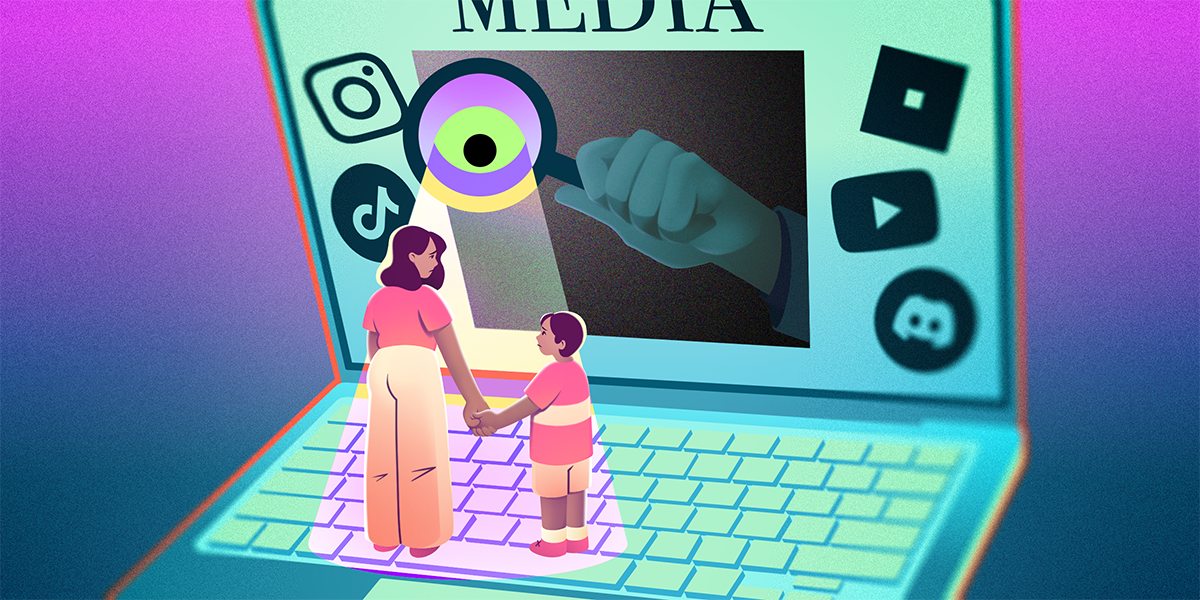
We all want the internet to be a better, safer place. Especially for kids. But the chorus of “online safety” has become a deafening roar, prompting governments worldwide to scramble for solutions. California’s recent proposed social media ban, however, feels less like a cure and more like a symptom of a deeper societal panic. Everyone expected… well, something. A thoughtful approach, perhaps? A focus on education? Instead, we get a sledgehammer.
This isn’t just another bit of legislative overreach. The Electronic Frontier Foundation (EFF) is calling it what it is: a dangerous new system of control masquerading as protection. They’ve been tracking this stuff for 35 years. This isn’t new territory for them, but this latest Californian folly is particularly egregious.
Is This About Safety, Or Censorship?
So, are age gates the magic bullet? The EFF is decidedly not impressed. They’re suggesting we’re being sold a bill of goods. This proposed ban, which could sweep up a lot more than just teens, is being framed as a necessary step for digital well-being. But dig a little deeper, and you find an alarming disregard for fundamental rights. It’s a classic bait-and-switch: promise safety, deliver surveillance.
The EFFeffector newsletter, a long-standing guide to tech, civil liberties, and the law, has a lot to say on the matter. This latest issue isn’t just a gentle suggestion; it’s a full-throated alarm. They’re dissecting California’s proposed ban, highlighting how it could set a chilling precedent for online censorship. Think about it: who decides what’s “appropriate”? And who gets to enforce it?
keep in mind that while Big Tech companies are often the target of such legislation, their business models are rarely fundamentally challenged. Instead, the burden of compliance—and the potential for privacy erosion—often falls on the user. The EFF points out that the conversation needs to be about more than just blocking access. It’s about empowering users and holding platforms accountable for their design choices, not just slapping a band-aid on a gaping wound.
For over 35 years, EFFector has been your guide to understanding the intersection of technology, civil liberties, and the law. This latest issue covers an attack on VPNs in Utah, a livestream on how to disenshittify the internet, and California’s proposed social media ban that could set a dangerous new precedent for online censorship.
The Constitution Doesn’t Take a Vacation
And for those who prefer to listen, the EFF has you covered. Their latest podcast episode features Legislative Analyst Molly Buckley. She breaks down precisely why these social media bans can’t simply sidestep the U.S. Constitution. You can’t just declare fundamental rights null and void because a particular technology makes some people uncomfortable. That’s not how this works. It’s a conversation, available on all major podcast platforms. Go subscribe.
This isn’t just about California. It’s a global trend. Governments are eyeing the internet, seeing it as a space ripe for regulation. But the EFF’s stance is clear: regulation without consideration for privacy and free speech is a recipe for disaster. They’re urging folks to push back. Sign up for their newsletter. Fuel the fight. Because this is bigger than just what your kid sees online. It’s about the future of the internet itself.
Why Is This Ban So Bad?
Look, nobody wants kids exposed to harmful content. But the EFF’s critique zeroes in on the fundamental flaws of this approach. Instead of creating a more strong system of user education and platform accountability—which is what truly matters—California’s proposed ban leans heavily on gating and restriction. This isn’t just ineffective; it’s a dangerous distraction. It shifts the focus from the actual problems—the algorithms, the design choices, the business incentives that prioritize engagement over well-being—to a blunt instrument that harms everyone’s digital freedom.
Think about the practicalities. Age verification is notoriously difficult to implement without infringing on privacy. Are we comfortable handing over more personal data to tech companies for the dubious benefit of keeping teens off platforms they’re probably already using? The EFF would argue, emphatically, no. This ban is a blunt instrument, likely to do more harm than good by creating a false sense of security while chipping away at user rights. It’s the equivalent of treating a headache by removing the patient’s entire skull.
What Happens Next?
The EFF is at the forefront of this battle, advocating for smarter, rights-respecting approaches. They’re providing resources, analysis, and calls to action. Their message is consistent: we can make the internet safer without sacrificing our liberties. But it requires informed vigilance and active participation. And right now, vigilance is in short supply, while panic-driven legislation is everywhere.
What You Can Do
- Sign up for the EFF’s EFFector newsletter.
- Support EFF’s work to defend digital rights.
- Educate yourself and others on the nuances of online safety legislation.
This isn’t a drill. The internet we know is being debated in legislative halls, and the outcome could dramatically alter our digital lives. It’s time to pay attention.
🧬 Related Insights
- Read more: AI Hype: Monopoly Myth Exposed
- Read more: xAI Adds Turbines Amid Lawsuit: What It Means for Clean Air