We all expected AI in law to be… well, more of the same, just faster. Think smarter search, slicker contract drafting, maybe a killer paralegal bot that actually remembers where you left your stapler. Incremental improvements, right? A nice espresso shot for the legal machine.
Wrong. So spectacularly wrong. AI isn’t an upgrade; it’s a fundamental platform shift, like the internet or the smartphone. It’s rewriting the underlying operating system of how we interact with information, with power, and, as we’re seeing now, with our most fundamental rights.
And nowhere is this clearer than in the unfolding battle for voter privacy in New Jersey, a fight that’s pitting a Jeopardy! champion against a federal demand for the personal data of millions. It’s a microcosm of a much larger, scarier trend, and it forces us to confront what happens when AI meets the delicate scaffolding of our democracy.
The Echoes of Past Fights
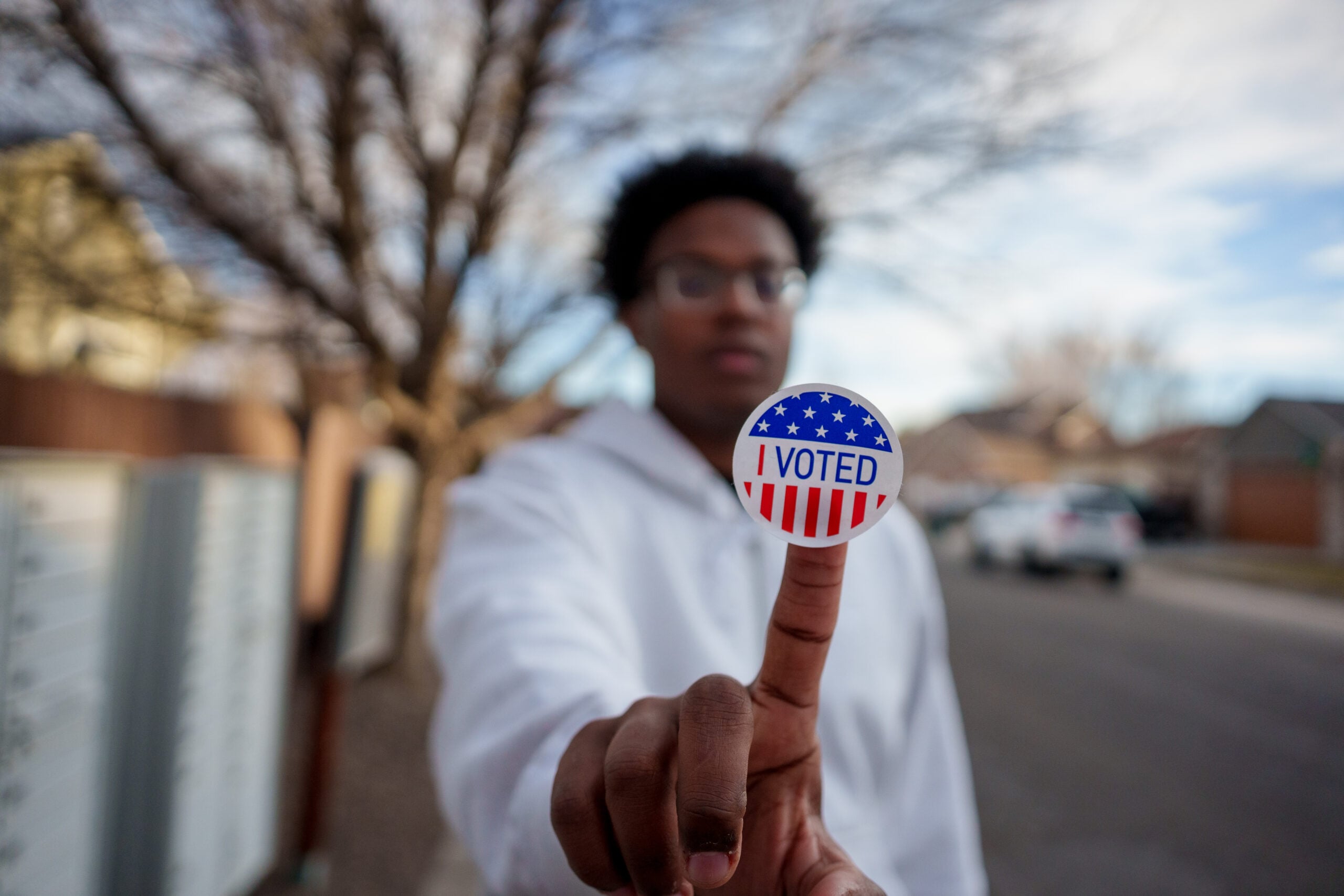
Remember the Voting Rights Act of 1965? It wasn’t just about ensuring access to a ballot; it was about life and death. For generations, the mere act of intending to vote was enough to draw the brutal attention of those who feared change. Now, with the Supreme Court’s decision in Louisiana v. Callais, the VRA has been hobbled, requiring proof of intent for racial discrimination, not just disproportionate effect. This is like trying to prove arson after the ashes have been cleared and the accelerant conveniently vaporized.
So, when a government agency—the Trump administration, no less—comes knocking with an “extraordinary demand” for the unredacted voter registration list of over 6.6 million New Jerseyans, it’s not just a bureaucratic spat. This database, packed with names, addresses, dates of birth, and even partial Social Security and driver’s license numbers, is precisely the kind of sensitive information that, in the wrong hands, could become a weapon.
And these hands could be wrong. As the New Jersey Globe points out, the administration’s justification? Reviewing compliance with federal election laws. Which sounds… fine. Until you remember the track record. When the right to vote is in such jeopardy, and the tools to potentially undermine it are so powerful, the skepticism needs to be dialed up to eleven.
The New Arena: AI and Voter Data
This is where our AI future collides head-on with civil liberties. The Department of Justice wants the full voter file. Why? To check compliance. But what if AI could achieve that same goal with a fraction of the intrusion? What if the demand isn’t about necessity, but about opportunity—the opportunity to gather and potentially misuse vast troves of sensitive data?
This isn’t science fiction anymore. Imagine an AI model, trained on the nuances of voter rolls and compliance metrics, able to flag discrepancies without needing raw, personal data. That’s the promise. But the reality? A federal agency’s demand for a complete, unredacted list feels less like a targeted scalpel and more like a data-grabbing tsunami.
There has to be a less intrusive way of reviewing the state’s compliance. Given the administration’s habit of harassing their political opposition over the dumbest of shit, it makes sense that this data should be kept out of the hands of a vindictive and stupid government.
This quote, from the original reporting, hits the nail on the head. It’s not just about the capability of AI; it’s about the intent of those wielding the power it unlocks. And when the intent is questionable, the potential for misuse is terrifying. We’re talking about data so sensitive that Citizens Bank would blush at a comparable breach.
The Human Element in a Data Deluge
Enter Jamie Ding. The reigning Jeopardy! champion. Suddenly, the calm, collected intellect that conquers trivia is thrust into a federal court fight over voter privacy. He’s not just a contestant; he’s an intervenor, a human shield against a digital invasion.
This is the wild, beautiful, and frankly, terrifying intersection we’re living in. The smartest minds aren’t just behind computer screens; they’re on national television, and when the stakes are high enough, they’re in the courtroom, fighting for our rights. It’s a reminder that even as AI promises to automate and analyze, the fundamental battles for privacy and fairness will always require human courage and conviction.
But here’s the unique insight: The narrative isn’t just about the legal fight or the AI’s potential. It’s about the democratization of data defense. For too long, the legal tech sphere has been dominated by corporate giants and a select few institutions. Jamie Ding, a civilian who happens to be a public figure, fighting for a core civic right against a federal demand for sensitive data—this is the emergent citizen activist enabled by our hyper-connected world, now amplified by the very technologies that threaten his privacy.
We hope voting privacy doesn’t follow the Voting Rights Act into obscurity. The stakes are too high, and the AI-powered tools of both intrusion and defense are becoming impossibly sophisticated.
What’s Next for Legal AI and Our Rights?
This case is a stark warning shot. The legal industry, long seen as slow-moving and resistant to change, is now at the epicenter of an AI-driven revolution. But this revolution isn’t just about efficiency. It’s about power dynamics, data sovereignty, and the very definition of privacy in an increasingly interconnected world.
The questions we need to ask aren’t just about how AI can help lawyers, but how we prevent AI from becoming a tool of oppression. As legal and operational leaders gather to confront these unanswered questions—with the likes of Amanda Knox setting a tone, no less—the focus must be not just on innovation, but on safeguarding the fundamental rights that AI, in its most powerful applications, could so easily erode.
This isn’t just about New Jersey. It’s about every voter, every citizen, every bit of personal data that could, in the wrong hands, be use for purposes far beyond simple compliance. The age of AI in law has arrived, and it’s demanding our full, critical attention.
🧬 Related Insights
- Read more: EU AI Act Chapter V: GPAI Providers’ Enforcement Reckoning
- Read more: [5 Wild Legal Headlines] No Facts, No Problem!
Frequently Asked Questions
What is the Voting Rights Act of 1965? The Voting Rights Act of 1965 is a landmark federal law that aimed to overcome legal barriers at the state and local levels that prevented African Americans from exercising their right to vote, as guaranteed under the U.S. Constitution.
Why is voter registration data considered sensitive? Voter registration data can include personal information such as names, addresses, dates of birth, and sometimes partial Social Security numbers or driver’s license numbers. This information, if compromised or misused, could lead to identity theft, harassment, or other privacy violations.
Will AI in law replace lawyers?