This isn’t about Jylo’s latest product update, or another dry announcement about AI’s potential. This is about what happens when a commercial legal tech company decides to actively help its potential customers bypass paid solutions. For the legal professional staring down the barrel of increasingly complex — and expensive — AI deployments, Jylo’s announcement lands with a thud that’s hard to ignore.
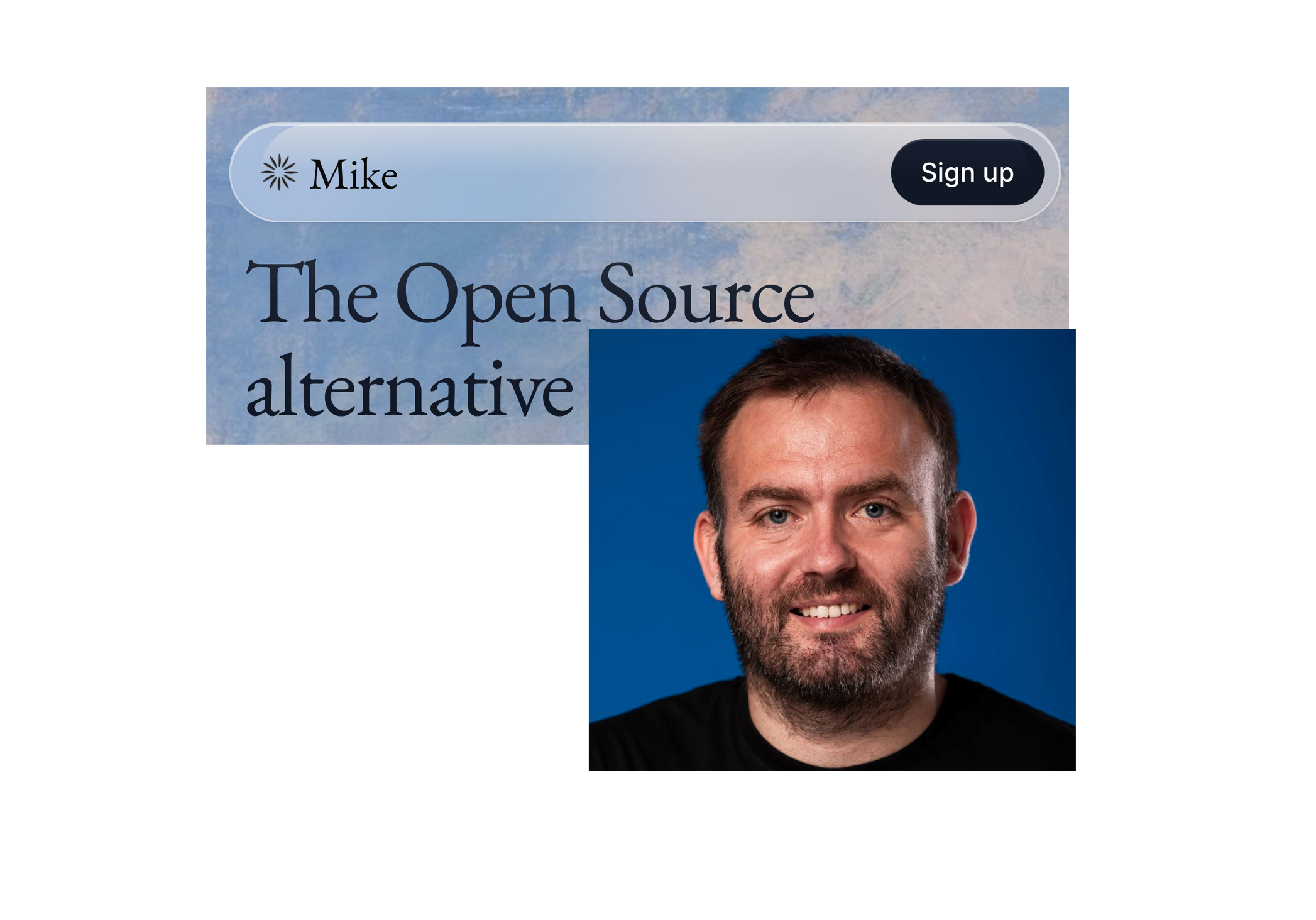
What’s really happening here, beneath the surface of what might sound like corporate altruism (a concept rarer than a silent courtroom), is a strategic play for influence and future revenue streams. Sam Lansley and Shawn Curran, the brains behind Jylo, are essentially offering to hold the hands of law firms wading into the murky waters of open-source AI, specifically mentioning Mike OSS, the free legal AI platform that’s gone viral. And they’re doing it for free. Free consultancy. Free strategic sessions. It’s enough to make a cynical legal tech observer raise an eyebrow. Or two.
This initiative is framed as a response to the growing complexity of enterprise AI deployment. Lansley and Curran aren’t just dabbling; they’re talking architecture design, authentication, governance, scaling, orchestration, and secure model deployment within regulated environments. It’s the kind of foundational work that many firms, frankly, lack the in-house expertise to handle, especially when dealing with the “vibe-code warriors” and their often-unconventional, but powerful, open-source creations. They’ve got the pedigree, too – years spent inside major law firms, followed by building their own AI products. This isn’t a theoretical exercise for them; it’s lived experience.
But here’s the kicker: they’re not personally acquainted with the creators of Mike OSS. Curran admits he “has them on LinkedIn, but don’t really know them personally.” This detachment is key. It means they’re not necessarily championing Mike OSS out of personal loyalty, but rather because it represents a significant, free, alternative to paid AI solutions that Jylo, and competitors, might otherwise be selling.
“Questions around infrastructure, permissions, security, workflows, verification, and scaling emerge very quickly [with open source]. We want to help organisations avoid common mistakes and accelerate adoption responsibly.”
This is the core of their pitch. They position themselves as guides through the minefield of open-source AI implementation. Think about it: a firm adopts Mike OSS, perhaps integrates it with other tools, and suddenly they hit a wall on security or scaling. Who do they call? If Jylo has been their helpful guide all along, the answer becomes obvious. It’s a classic ‘land and expand’ strategy, just without the initial ‘land’ being a paid product. It’s more of a ‘build trust with free support, then hope they look to us for the paid stuff when they’re ready’ approach.
Is This a True Embrace of Open Source, or a Trojan Horse?
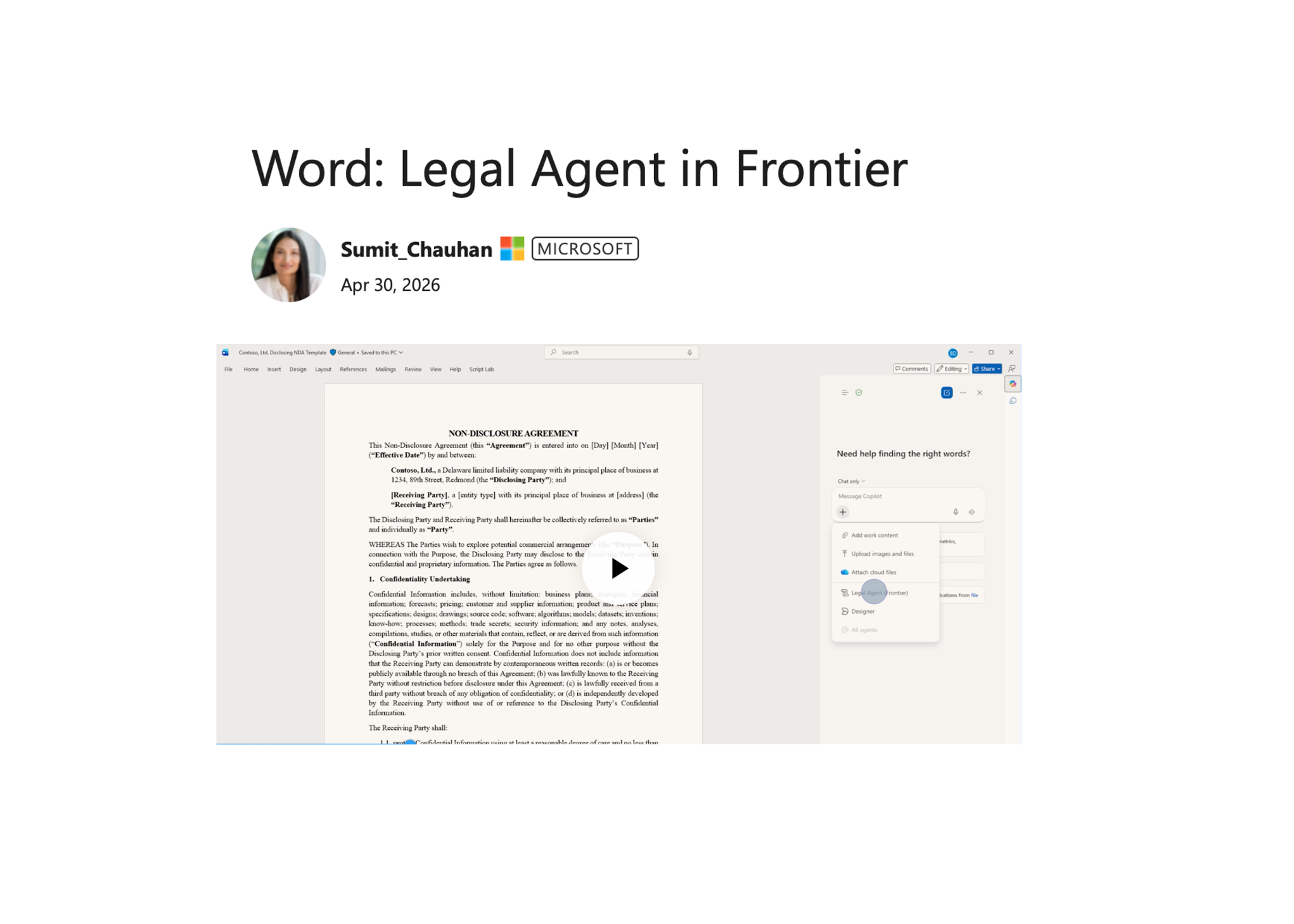
Let’s be clear: the legal tech landscape is shifting. Harvey’s recent embrace of user-built legal agents and their Benchmark tool is another indicator. But Jylo’s move feels more direct. They’re not just saying ‘try this.’ They’re saying ‘we will help you build this out, for free, even if it means you don’t pay for other tools.’ This is a step beyond passive acceptance; it’s active facilitation of open-source adoption that could directly cannibalize existing revenue models for legal tech providers. It’s a bold gamble, and a fascinating one to watch.
Why is Free Consultancy a Strategic Masterstroke?
From a purely business perspective, offering free strategic consultancy on open-source AI is a remarkably smart move. Why? Because it addresses a massive pain point for law firms: the fear of the unknown, the cost of experimentation, and the risk of misimplementation. By stepping into this void, Jylo gains unparalleled access to firms at their most vulnerable and curious stage of AI adoption. They build goodwill, establish themselves as thought leaders (or at least, extremely helpful guides), and gain deep insights into the specific architectural challenges firms face. This knowledge is gold. It informs their own product development, helps them identify future service needs, and positions them as the go-to experts when a firm eventually decides they need a more formalized, perhaps paid, solution for their AI infrastructure. It’s about building relationships, not just selling software.
It’s a fascinating paradigm shift. Instead of competing directly on features or pricing for proprietary AI models, Jylo is carving out a niche by becoming the indispensable advisor in the open-source ecosystem. They’re essentially saying, ‘We’ll help you build your free house, and when you need a more secure, professionally managed wing added on, you know who to call.’ Whether this genuinely democratizes legal AI or simply redefines the customer acquisition funnel for paid legal tech remains to be seen, but one thing is certain: the legal AI world just got a lot more interesting.
**
🧬 Related Insights
- Read more: Supreme Court Wrestles ISP Copyright Liability: What’s New?
- Read more: AI in Contract Review: How Legal AI Tools Analyze and Draft Agreements
Frequently Asked Questions**
What does Mike OSS actually do?
Mike OSS is a free, open-source legal AI platform designed for internal implementation within law firms. It aims to provide a foundational AI capability that organizations can build upon and customize.
Will Jylo’s free consultancy replace my internal IT team?
No, Jylo’s consultancy is focused on the specific challenges of AI implementation, architecture, governance, and scaling within legal environments. It’s intended to supplement, not replace, a firm’s existing IT or technology strategy teams.
Is Jylo offering to help implement any open-source AI, or just Mike OSS?
While Mike OSS is specifically highlighted, Jylo’s offerings are described as being for organizations exploring or deploying open-source AI systems internally, including implementations built around Mike OSS, or other platforms. This suggests a broader scope beyond just one tool.