Are we finally ready to admit that the legal AI revolution isn’t exactly… revolutionary? We’re drowning in buzzwords, flooded with slick demos, and bombarded with promises of unprecedented efficiency. Yet, beneath the polished surface, a new report from World CC and Sirion paints a decidedly less rosy picture: the vast majority of in-house legal teams are still operating like it’s 1999. Shocking? Not if you’ve been watching this circus for as long as I have.
Let’s cut through the noise. This survey, titled ‘Trusted Contract Data: From Repository to System of Record’, actually managed to find one of those rare things: a brutally honest look at where we stand. And the headline is clear: despite a smorgasbord of legal AI tools available, from CLMs to fancy productivity platforms, adoption is, shall we say, lagging. Significantly.
The ‘State of the Art’ vs. The ‘State of Reality’
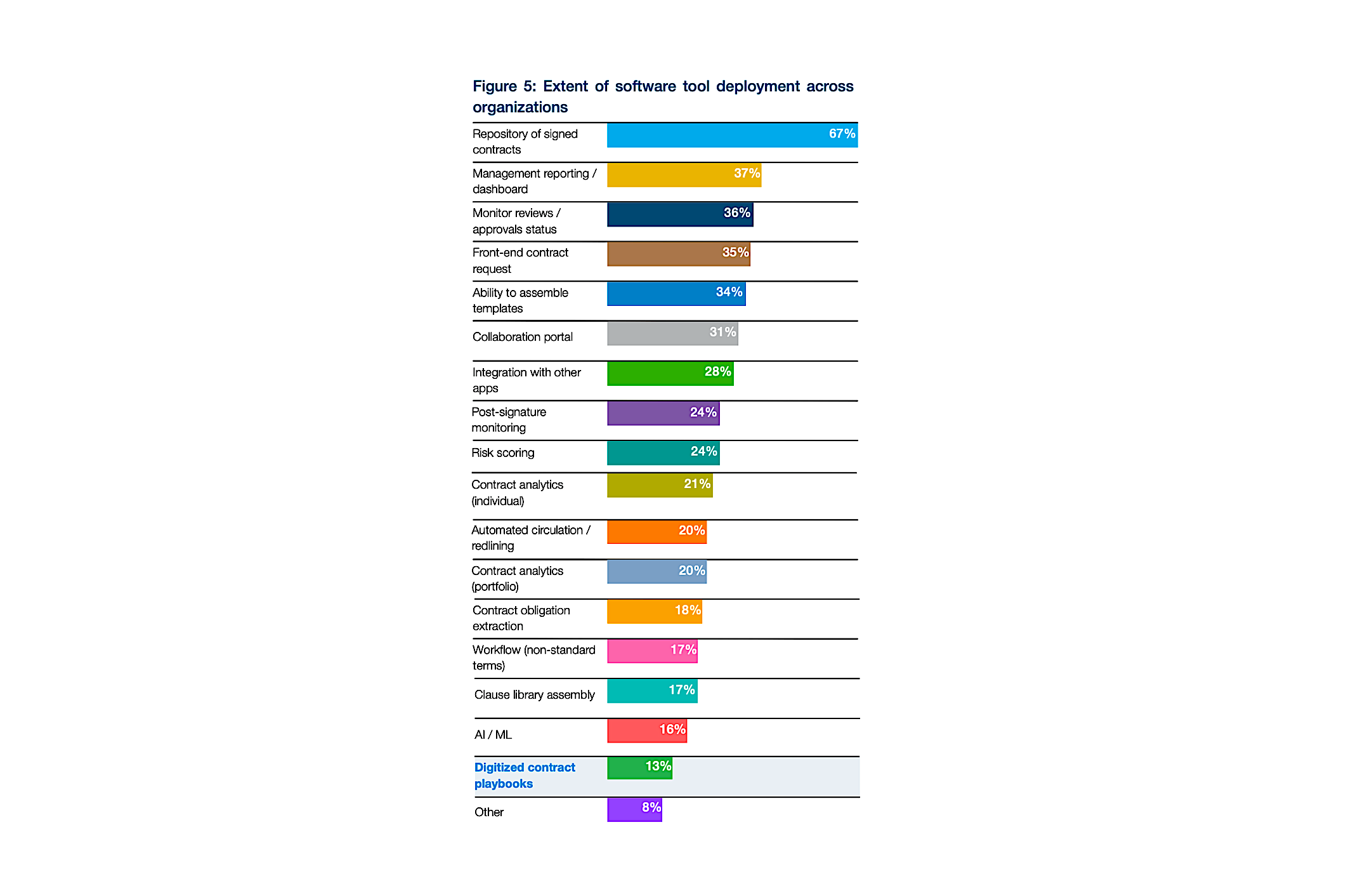
Look, it’s not like the tech isn’t there. We’ve seen it. We’ve heard about it. But the numbers don’t lie. A whopping 33% of in-house teams don’t even have a repository of signed contracts. Let that sink in. One-third of legal departments are still fumbling around without even the most basic digital filing system. If you can’t even store your contracts digitally, what on earth are you doing talking about AI agents and hyper-automation? It’s like showing up to a Formula 1 race with a unicycle.
And the AI adoption figures? A pathetic 16% are using ‘AI / ML’. In 2026. It’s almost comical. This isn’t just a missed opportunity; it’s a fundamental disconnect. It suggests that many of these teams aren’t just slow to adopt new tech; they’re not even equipped to understand what’s being offered.
Where Does the Money Actually Flow?
This is where it gets interesting for us observers who aren’t blinded by the venture capital glow. Who benefits when adoption is this glacial? The legal tech companies, naturally. They’re sitting on a goldmine of unmet needs. The survey highlights a massive gap in digitized contract playbooks (only 13%) and basic template assembly capabilities (a mere 34%). These aren’t cutting-edge AI problems; these are table stakes. And legal tech vendors are poised to profit by simply offering the basics, dressed up with a bit of AI flavor.
This is the core of the ‘who’s making money’ question. It’s not the GCs struggling to keep up; it’s the companies that can offer a clear path from chaos to order. Sirion and World CC are doing themselves a favor by highlighting these massive gaps. It’s a sales pitch, pure and simple, but a valid one.
The Data Foundation: The Unsexy Truth
Ajay Agrawal, Co-Founder and CEO of Sirion, nails it: “GenAI is exposing a hard truth across enterprises: AI is only as reliable as the underlying data foundation. Most organizations still manage contracts as disconnected documents spread across repositories, shared drives, and siloed systems. Contracting now requires a trusted System of Record that can transform legal language into structured, connected, operational data. Without that foundation, AI cannot reliably drive decisions, automation, or enterprise-scale execution.”
GenAI is exposing a hard truth across enterprises: AI is only as reliable as the underlying data foundation. Most organizations still manage contracts as disconnected documents spread across repositories, shared drives, and siloed systems.
This isn’t just a legal problem; it’s an enterprise-wide data hygiene issue. Legal departments, often overlooked in broader data strategies, are proving to be a particularly stubborn frontier. You can have the most sophisticated AI model in the world, but if it’s trying to process a mess of scanned PDFs and scattered Word docs, it’s useless. The real innovation isn’t in the AI model itself for many of these legal teams; it’s in the painstaking work of getting their data house in order. That’s where the immediate, tangible value lies, and where legal tech companies can—and are—making bank.
The Path Forward: Services or Solitude?
So, how do we bridge this chasm? The report hints at a solution: legal tech companies need to invest heavily in Forward Deployed Engineers (FDEs) or consultants. This is the model we’ve seen elsewhere in tech, particularly with companies like OpenAI, where the vendor takes on the burden of implementation and customization. It’s expensive, sure. But if your product is truly meant to transform how legal departments operate, you can’t just hand them a tool and walk away. They need help. They need people who understand the tech and the legal workflow.
This is the dirty secret of legal tech sales: the product is only half the battle. The other half is the professional services that guide adoption, integration, and—crucially—data cleaning. Those companies that can offer a strong service wrapper around their software will be the ones that truly succeed, not just in selling licenses, but in actually delivering value. The consultancies are out there, but they often lack the deep product-specific knowledge. It’s a tough nut to crack, but essential.
My unique insight here: We’re seeing a replay of the early days of ERP systems. Companies bought powerful software, but the real ROI came from the consultants who helped them re-engineer their processes to fit the software. Legal AI is no different. The technology is the shiny object, but the true value—and the real profits—lie in the messy, unglamorous work of process and data transformation.
**
🧬 Related Insights
- Read more: WilmerHale’s $35M Bill Implodes in London Court—Biglaw’s Billing Bubble?
- Read more: OpenAI Faces Negligence Lawsuits Over School Shooting
Frequently Asked Questions**
What does the Sirion survey reveal about legal AI adoption?
The Sirion survey indicates very low adoption of AI and ML tools among in-house legal teams, with only 16% reporting usage. It highlights significant gaps in basic contract management and digitization, suggesting many teams are not prepared for advanced AI solutions.
Will this survey impact legal tech investment?
Potentially. For legal tech companies, the survey underscores a massive untapped market for foundational contract management and data hygiene solutions, offering a clear path to revenue. Investors might see this as a validation of the market need but also a caution against over-hyping AI capabilities in the short term.
What are the biggest barriers to legal AI adoption?
The primary barriers identified are fragmented data, lack of digitized contract playbooks, and a general lack of foundational contract repository systems. Many legal teams are still operating with manual, siloed processes, making AI integration difficult.