Forget your day in court. Companies are quietly stripping away your rights through obscure terms of service clauses. Brendan Ballou’s latest book dives into this insidious trend. And it’s not pretty.
The ink on your latest download or purchase? It’s a legal trap. Buried deep within those endless scrolling terms of service agreements lies a potent weapon: forced arbitration. You agree to it. You don’t even know you’re agreeing to it. And suddenly, your right to join a class-action lawsuit—your collective voice against corporate malpractice—vanishes. Poof. Gone. Replaced by a private, often company-friendly, arbitration process. It’s a deal so unbalanced, it makes a shark look like a philanthropist.
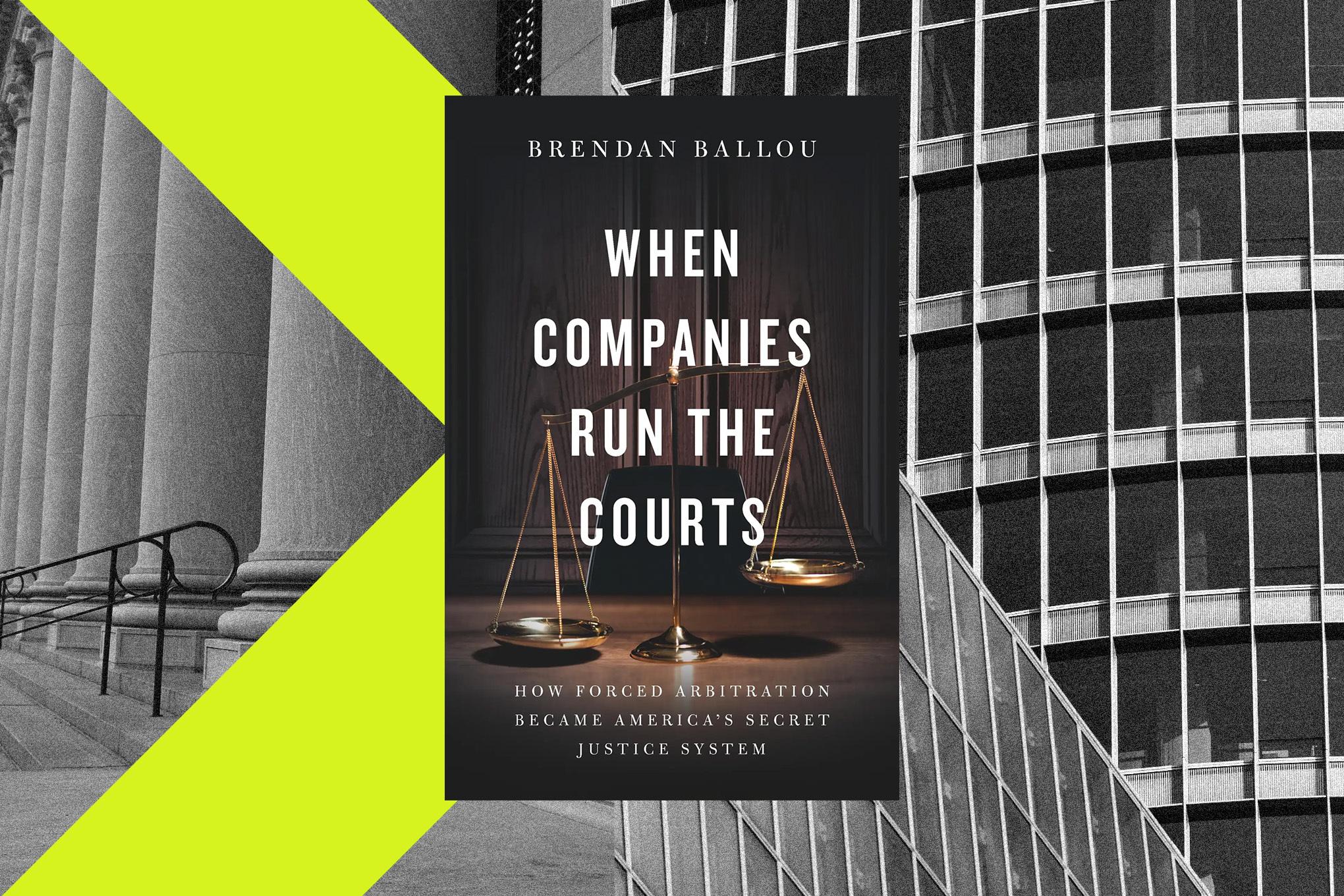
Brendan Ballou, the sharp mind behind Plunder, is back with When Companies Run the Courts. He’s not just documenting the problem; he’s dissecting how we got here. Hint: some esteemed judicial figures played a role. But the real juice? What can actually be done about it.
Deep in every single terms of service for almost any product you buy or service you use there’s a clause that says that by buying or using the thing, you’re giving up your right to join a class-action suit if something goes wrong and instead you and the company have to go to arbitration.
Consider the Disney incident. A grieving husband. A tragic loss. Disney tries to shove him into arbitration over a Disney+ subscription signed years prior. Preposterous. They backed down, of course, after the internet unleashed its fury. But for every public spectacle, there are thousands, perhaps millions, of silent victims. Consumers and employees routinely denied justice because they clicked “agree.” This isn’t innovation; it’s legal sleight of hand.
The Scalia Shadow
Ballou points a finger, and it lands squarely on some influential figures. Namely, the late Antonin Scalia. Scalia’s judicial philosophy, often lauded for its textualism, apparently had a blind spot when it came to consumer protection. His interpretations, and those of like-minded jurists, paved the way for these clauses to become standard operating procedure. It’s a stark reminder that legal theory, divorced from practical consequences, can have a devastating impact on ordinary people. The abstract pursuit of contract sanctity trumps the concrete reality of a broken product or a faulty service.
A Legal Firm With Teeth
But Ballou isn’t just an author. He’s also a doer. His Public Integrity Project is actively challenging the status quo. They’ve taken aim at Warner Bros. and Paramount, sniffing out potential quid pro quo between the Ellison family, the presidency, and regulatory approvals. The accusation? Reshaping the media landscape to suit political whims in exchange for a smoother merger. This isn’t just about a business deal; it’s about the integrity of governance and the free press. The Public Integrity Project is demanding documents, building a case. It’s a bold move in a landscape where corporate power often feels unchecked. It’s the kind of legal action that might actually make a difference, not just in one case, but as a deterrent.
Is This the End of Consumer Rights?
The sheer ubiquity of these arbitration clauses is staggering. They’re not confined to high-stakes financial products or complex service agreements. They’re attached to your streaming subscription, your coffee shop loyalty program, your smart thermostat. Each click, each sign-up, reinforces the corporate shield. The erosion of our ability to seek collective redress isn’t a bug; it’s a feature. And it’s meticulously designed.
The question isn’t if companies weaponize terms of service. It’s how we disarm them. Ballou’s work offers a glimmer of hope, not just in exposure, but in the potential for legal and legislative countermeasures. But we’re talking about entrenched interests. This won’t be a quick fix. It will require sustained pressure, public awareness, and relentless legal advocacy. The fight for your day in court is far from over. It’s just being waged in a very different, and far less visible, arena.
🧬 Related Insights
- Read more: Guy Kawasaki’s Signal Privacy Guide Lands (Again)
- Read more: Nigeria’s Cybercrimes Act: Rights Under Fire | Legal AI Beat
Frequently Asked Questions
What does forced arbitration mean for consumers? It means you typically can’t sue a company in court, and you can’t join a class-action lawsuit. Instead, you must resolve disputes through an arbitrator, often chosen or heavily influenced by the company.
Can I opt out of arbitration clauses in terms of service? Sometimes, but it’s often difficult and requires specific action. Many companies don’t make opting out easy, and it may involve sending written notices within a short timeframe after agreeing to the terms.
Is Brendan Ballou’s book about AI and legal tech? No, Brendan Ballou’s book, “When Companies Run the Courts,” focuses on the rise of forced arbitration clauses in standard consumer and employment contracts, not specifically on AI or legal technology tools.