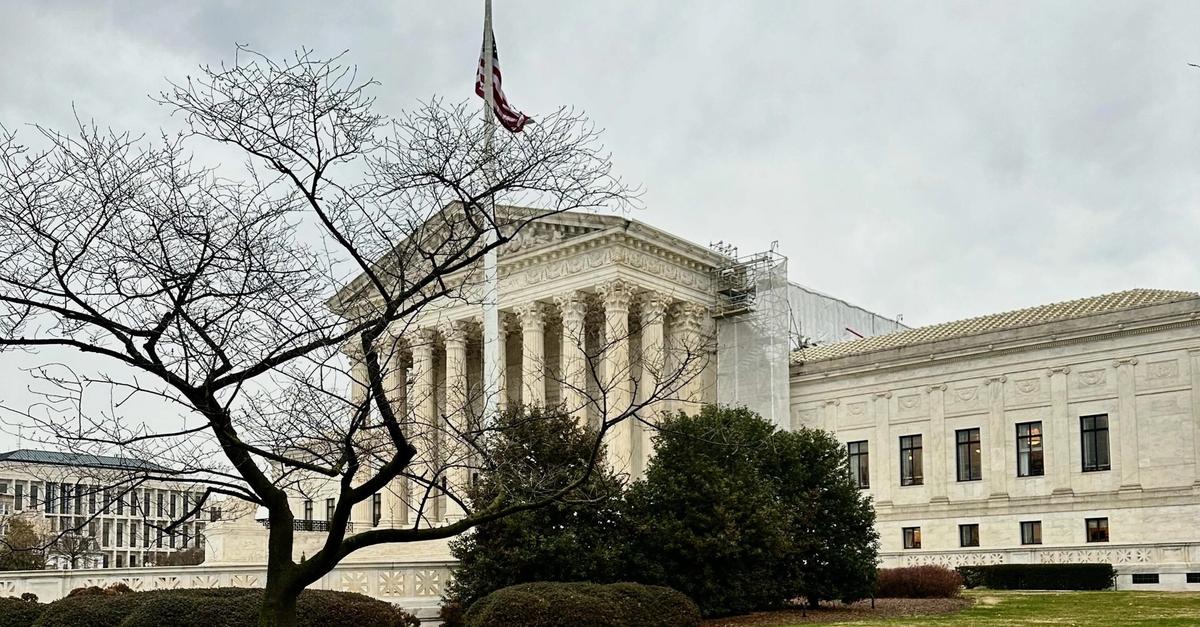
The marble halls of the Supreme Court are echoing with pronouncements on everything from immigration to religious freedom. But tucked away in their docket, far from the punditry, is a steady stream of criminal law cases. And if you’re watching closely, as Justice Barrett herself has urged, you’ll notice something curious this term: a surprising lean towards the defense.
A Statistical Oddity or a Trend?
Look, I’ve been tracking the Supreme Court’s output for two decades, and I’ve learned to distrust simple narratives. But the numbers here are…well, they’re worth noting. Roughly half of the court’s decided cases this term, a hefty 30 out of about 58 that went through full briefing and oral argument, touch on criminal law or related issues. When you add in five summary decisions, that’s 34 cases for the October Term 2025. Of those, a solid 13 directly involve pure criminal law. And here’s the kicker: a whopping 10 of the 13 decided criminal law cases have so far landed in favor of the defense or what you might call the “liberal” side. That’s a pattern, not a fluke.
This isn’t just gut feeling. SCOTUSblog’s case pages, peppered with hyperlinked decisions, tell a similar story. Cases like Villarreal v. Texas, Barrett v. United States, and Bowe v. United States—all decided this term—show this trend. It’s enough to make you scratch your head, especially given the public perception of the current Court.
The ‘Big Case’ Mirage
Justice Barrett, bless her pragmatic heart, pointed out that “big cases” are often more about media hype than actual legal weight. She’s right. We’re told to watch for certain decisions that will reshape the legal landscape, but in criminal law, it often seems the significant shifts are happening quietly, in less heralded cases. The real intrigue, as I see it, lies not just in the outcomes, but in the why. Is this a deliberate strategy by the liberal justices, as the original text hints, to pick their battles carefully? Or is it something else entirely? The upcoming decisions in immigration law cases, which are decidedly leaning against immigrants, suggest that the defense-friendly trend might be a specific phenomenon within criminal law, and not a blanket shift.
Who’s Actually Making Money Here?
This is the question that always hangs in the air, isn’t it? For the lawyers, obviously. Defense firms are likely seeing more favorable outcomes, potentially leading to reduced penalties or overturned convictions. But for the larger legal tech companies peddling AI-powered litigation tools? It’s a more nebulous connection. If the Court is consistently ruling in ways that favor defendants, it might mean less emphasis on complex, data-heavy appeals driven by purely procedural issues. Instead, the focus could shift back to more traditional, substantive legal arguments. This could mean less demand for certain types of AI analysis, and more for sharp legal minds. The real money, as always, is in access to justice, and right now, that access seems to be leaning, at least statistically, towards the accused.
The Shadow of Pending Decisions
But don’t pack up your cynicism just yet. The term isn’t over. There are still six “big” CLAR (criminal law and related) cases awaiting decision, along with four immigration cases. The latter, as mentioned, are not exactly painting a rosy picture for immigrants. And then there are the gun rights cases. United States v. Hemani, where a lower court struck down a federal ban on gun possession by unlawful drug users under the Second Amendment, has the justices sounding skeptical. This is where the trend might pivot, or at least reveal its limitations.
We’re also waiting on decisions in Landor (prisoner civil rights) and Rutherford and Fernandez (compassionate release). These aren’t the flashiest cases, but they can have significant real-world impacts on individuals caught in the criminal justice system. The prolonged wait for decisions in three November arguments is also unusual, suggesting these cases might be complex or contentious.
It’s a tangled web, and as Justice Barrett wisely advised, we need to read critically. The current trend is defense-friendly, yes. But the Supreme Court giveth, and the Supreme Court taketh away. We’ll see what the final tally looks like come October.
🧬 Related Insights
- Read more: SCOTUS Docket Action: What’s Really Happening Off-Stage
- Read more: Arnold & Porter’s IP Prosecution Hunt: BigLaw’s Silent S.O.S.?
Frequently Asked Questions
What are CLAR cases? CLAR stands for criminal law and related. These are cases that touch upon criminal law issues or involve facts that speak to criminal behavior, including some immigration law cases due to their frequent overlap.
Are criminal defense lawyers winning more cases at the Supreme Court this term? Statistically, yes. So far, 10 out of 13 decided criminal law cases have leaned in favor of the defense.
Will the Supreme Court’s decisions impact AI in law? Potentially. A consistent trend towards defense wins might shift the focus of legal arguments, potentially altering demand for certain types of AI-driven legal analysis. However, the ultimate impact remains to be seen.