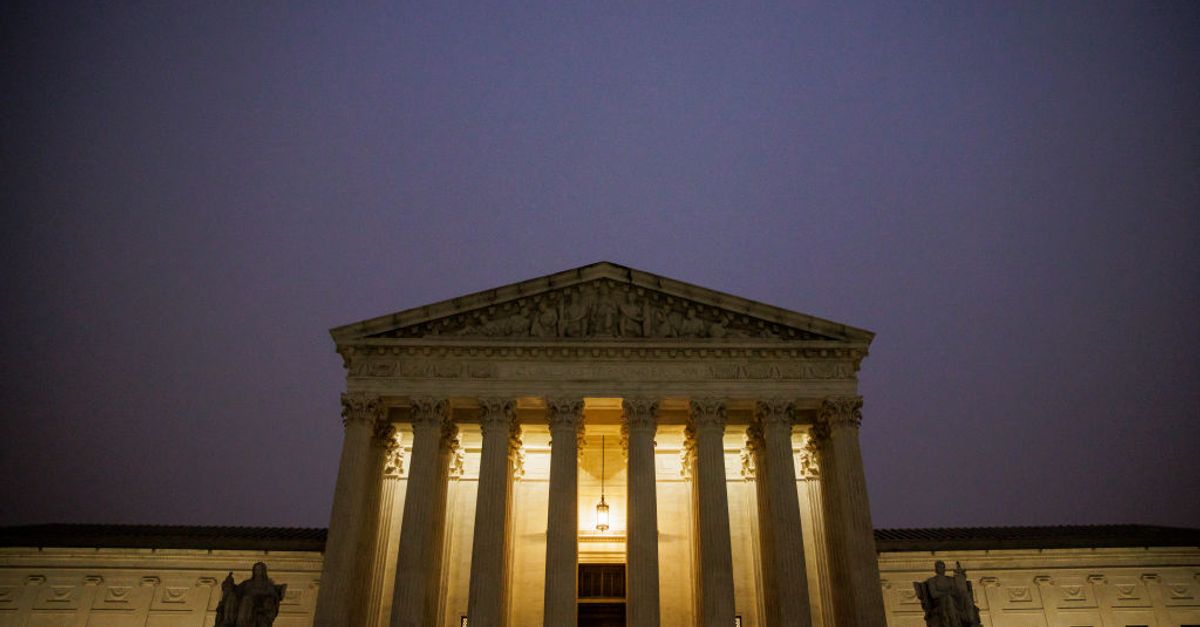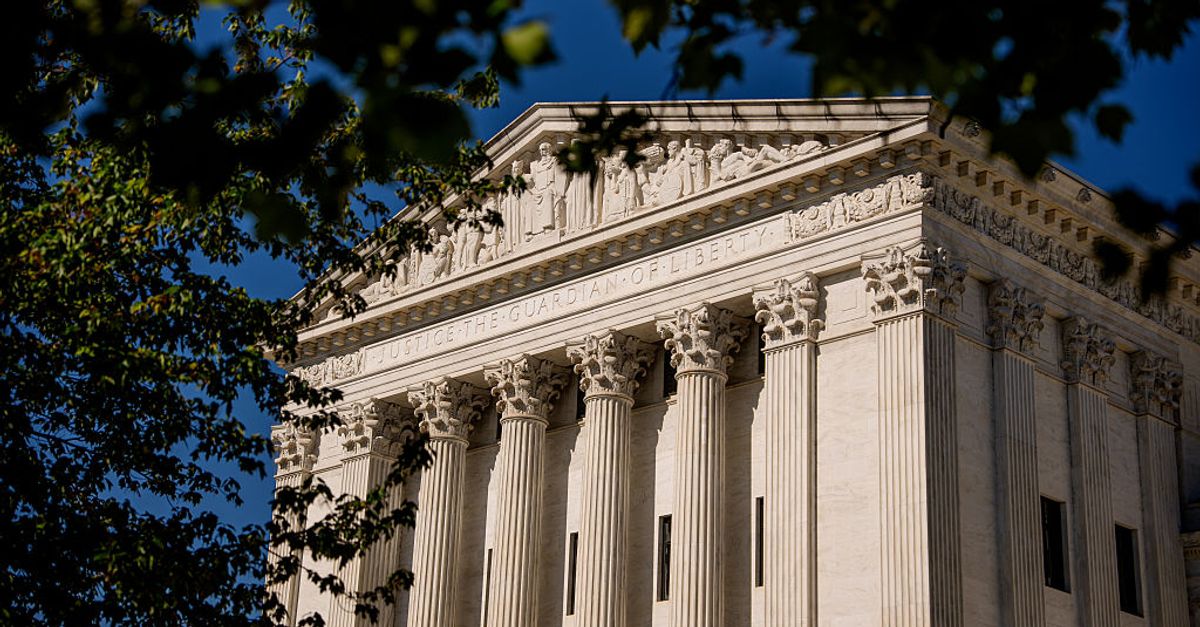
Did you ever stop to think that judicial pronouncements might come with a side of perfectly timed Friday evening news dumps? Me neither. The Supreme Court, in its infinite wisdom and apparent aversion to anything resembling a Monday morning quarterback, just punted on Virginia’s congressional map kerfuffle. A brief, unsigned order. No dissents. Just… done. At 6:30 p.m. EDT. Because why make things easy?
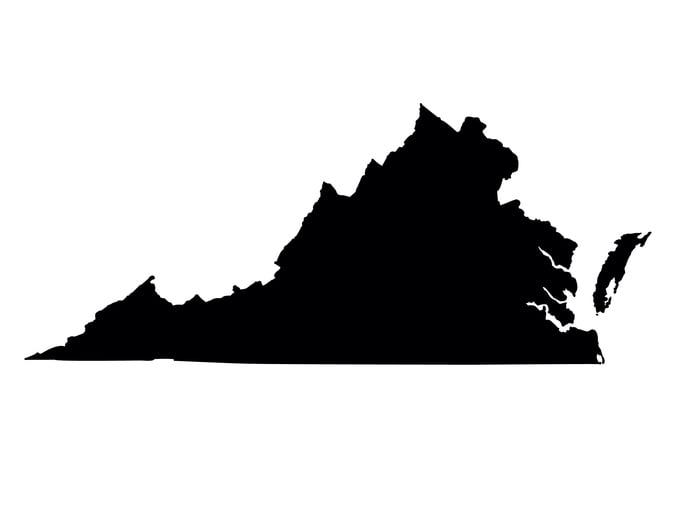
This whole mess started with Virginia Democrats trying to ram through a new map. The one that, you guessed it, would have conveniently benefited them in the 2026 elections. They went to the Supreme Court after the Virginia Supreme Court said, ‘Nah, you didn’t follow the rules.’ The amendment meant to enable this redraw? Invalidated. Apparently, you can’t just sneak a constitutional change onto the ballot after people have already started voting. Who knew?
The core of the Virginia Supreme Court’s objection was procedural. The amendment allowing the Legislature to draw a new map outside the usual census cycle needed legislative approval in two separate sessions, separated by an election. The state Senate voted it through the first time, but the catch? By October 31, 2025, over 1.3 million votes were already in the ballot box for the general election. The state’s highest court saw this as a procedural no-go. A divided court, mind you. Never a dull moment in state judiciary.
Jay Jones, Virginia’s attorney general, and his Democratic pals ran to the U.S. Supreme Court. They cried foul, arguing the state court’s decision ‘overthrows a democratic outcome.’ Federal law implications, they claimed, regarding the definition of ‘election’ and judicial overreach. Bold moves, certainly. Trying to get the Supremes involved in what looks, on its face, like a state-level procedural squabble.
Of course, the opposition — Republican legislators and a smattering of voters — scoffed. They framed the request as ‘extraordinary.’ This, they argued, is about state courts holding state actors accountable under state law. Not exactly the stuff of federal constitutional crises. And those federal issues the Democrats suddenly remembered? They weren’t raised until this late stage. Timing, as they say, is everything.
What’s fascinating here isn’t just the partisan tug-of-war over district lines. It’s the sheer audacity of the maneuver. Trying to rewrite the rulebook mid-game, then running to the nation’s highest court when you get called out. And the Supreme Court’s response? A resounding… silence. A shrug. This denial, while seemingly minor given Governor Spanberger’s own statements about not using the map, underscores a deeper reluctance to wade into state procedural battles unless absolutely forced.
The Virginia General Assembly had adopted the new map in February. But before the state could actually use the map, it needed the state’s voters to approve an amendment to the Virginia constitution that would give the General Assembly the power to draw a new congressional map outside of the normal cycle following the decennial census. Their gamble on the amendment backfired spectacularly when the state Supreme Court pointed out their timing was off. Way off.
This isn’t just about Virginia’s political map. It’s a micro-example of the larger, often cynical, dance around electoral processes. AI is entering the legal field, promising efficiency. Yet here we are, still bogged down in ancient procedural debates, with human ambition and political maneuvering at the forefront. The tech can streamline discovery, sure. But it can’t, apparently, stop a legislature from botching a constitutional amendment.
And let’s be clear: Gov. Spanberger’s earlier nod that the map wouldn’t be used anyway? That just adds a layer of political theater. It suggests the Democrats knew their shot was shaky but went for it anyway, hoping for a Hail Mary from the Supremes. It didn’t come.
Why Did the Supreme Court Deny Virginia’s Request?
The Supreme Court denied the request without comment. This suggests the justices either found no compelling federal issue, believed it was a matter for state courts, or simply chose not to intervene in a dispute with seemingly minimal immediate impact given other factors. Their unsigned order offered no insight into the reasoning.
What’s the Impact on Virginia’s Elections?
While the immediate impact might be minimal due to other statements indicating the map wouldn’t be used, the denial leaves the Virginia Supreme Court’s ruling standing. That ruling invalidated the constitutional amendment that would have allowed the Legislature to draw a new map outside the normal redistricting cycle. For now, it appears Virginia will proceed with its existing congressional map structure, subject to normal redistricting processes later.
Will This Happen Again in Other States?
It’s always possible. States frequently grapple with redistricting, and attempts to find procedural shortcuts or to challenge existing maps are common. However, the Supreme Court’s reluctance to step into this specific procedural dispute might signal a cautious approach to intervening in similar state-level disputes unless truly significant federal questions are unequivocally presented and undeniably trampled.
🧬 Related Insights
- Read more: Claude’s Legal AI Blitz: Platform Shift or PR Stunt?
- Read more: Stick-Figure X Dodges Cigar Giant’s Trademark Bullet: CAFC’s Sharp Turn on DuPont
Frequently Asked Questions
What did Virginia Democrats want the Supreme Court to do? They wanted the Supreme Court to reinstate a new congressional map that would have favored Democrats in upcoming elections, overriding a Virginia Supreme Court decision that invalidated the map’s enabling amendment.
Did the Supreme Court issue an opinion on the case? No, the Supreme Court issued a brief, unsigned order denying the request without any explanation or dissents.
What was the original problem with the congressional map? A constitutional amendment was put on the ballot and approved by voters, intended to allow the state legislature to draw a new congressional map. However, the Virginia Supreme Court struck down this amendment, ruling the legislature did not follow proper procedures by putting it on the ballot after voting had already begun in an election.