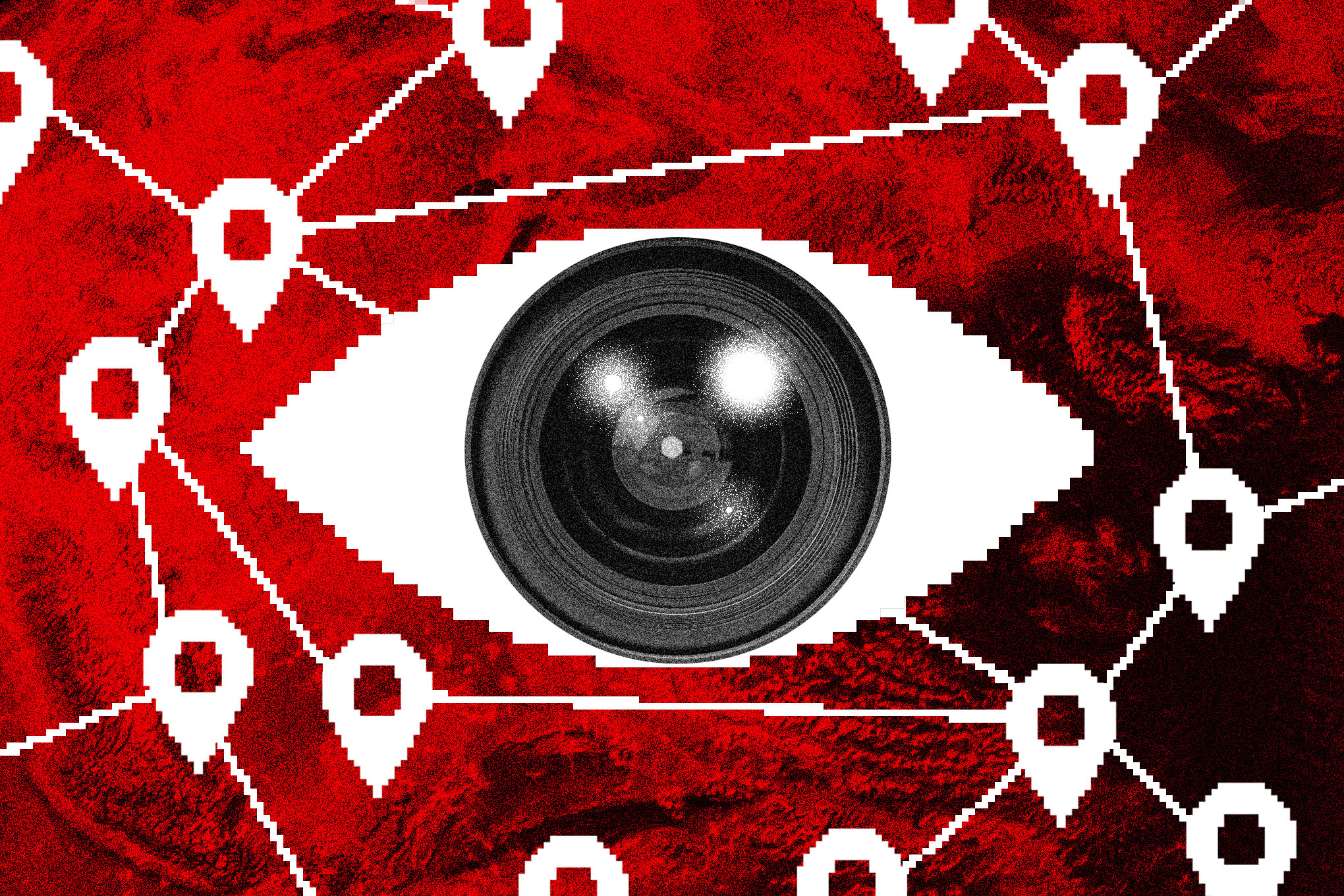
Real people — the ones glued to phones, tracked like lab rats — finally get a breather in Virginia. No more companies hawking your exact footsteps to the highest bidder. Governor Abigail Spanberger signed S.B. 338, banning the sale of precise geolocation data outright. Effective July 1, 2026. Unanimous legislative backing. That’s not hype; that’s a rare win against data vampires.
Why Your Location Data Scares the Hell Out of Privacy Advocates?
Precise geolocation? It’s your digital shadow, mapping clinics visited, churches attended, protests joined. Sell that, and you’ve got a dossier ripe for abuse. EPIC, the Electronic Privacy Information Center, pushed hard for this. They testified, they lobbied. And it worked.
“By banning the sale of precise geolocation data, S.B. 338 would put a stop to some of the most harmful abuses of our personal data happening today.”
That’s EPIC’s direct plea to the governor. Spot on. Harms? Think Immigration and Customs Enforcement buying software to shadow millions via cellphones. No warrants. No Fourth Amendment niceties. Just cold cash for your movements.
Virginia isn’t alone. Maryland and Oregon beat them to it, outlawing this grimy trade. But unanimous passage here? That’s thunder. Legislators from all stripes saw the creep — and said no.
One paragraph wonder: Momentum builds.
Is ICE’s Location Tracking the Tipping Point?
Reports hit like a gut punch. ICE scoops up social media and phone surveillance tools. Monitors areas for pings. Tracks devices — read: people — over time. Bypasses courts entirely. Virginia’s law doesn’t name ICE, but it neuters the data pipeline they rely on. No sales, no fuel for the fire.
Here’s the acerbic truth: Tech firms peddle this as ‘anonymized’ data. Bull. Re-identification is child’s play with enough pings. Your ‘anonymous’ trail leads straight to your door. Companies like these? They’re not innovators; they’re stalkers with spreadsheets.
And the PR spin from data brokers? Crickets so far. Good. This law exposes their house of cards — built on our unwitting consent.
Virginia’s Law: Toothless Gesture or Real Shield?
Skeptics — and there are plenty — call it a band-aid. Data collection still happens. Apps still hoover your location. But sales? Forbidden. Fines loom for violators. Enforcement? That’s the rub. Virginia’s attorney general gets the reins. Will they chase? History says maybe.
Dig deeper. This echoes California’s CCPA vibes, but narrower, meaner. Targets the sale, not the grab. Smart. Why? Brokers thrive on resale markets — shadowy bazaars where your data fetches pennies, but scales to billions.
Unique angle: Flashback to 2018 Cambridge Analytica. Location data amplified those psych profiles. Imagine that scandal with geotracks. Virginia’s move preempts the next one. Bold prediction? Five more states by 2028. Copycats incoming, especially red ones tired of federal fumbles.
Corporate hype alert. Data brokers whine about ‘innovation killed.’ Please. Innovation was never location auctions. It was maps for ad dollars — and worse.
Short and sharp: Users win. Brokers lose.
The ripple? App developers scramble. No more easy location monetization. Expect pleas for exemptions. Lawmakers, hold firm.
What Happens After July 1, 2026?
Implementation hits. Businesses audit pipelines. Delete? Comply or pay. Consumers? Check app permissions. Opt out where you can. But this law shifts power — from brokers to you.
Dry humor break: Finally, a politician delivers without a catch. Spanberger’s signature? Pure gold in privacy’s long war.
Critique time. EPIC deserves props, but let’s not canonize. They’ve pushed similar bills before — some fizzled. This one’s real because it dodged the ‘study it more’ trap. Unanimous? That’s fear of voter backlash, post-ICE revelations.
Long view: Federal law lags. Congress dithers on location sales. Virginia forces their hand. Or exposes the stall.
🧬 Related Insights
- Read more: EU Commission Dumps 130 AI Act Tasks on Itself – Bureaucracy Alert
- Read more: EU AI Act Hands SMEs a Real Edge Over Big Tech
Frequently Asked Questions
What does Virginia’s precise location data ban cover?
It prohibits selling or buying Virginians’ precise geolocation data without consent. Covers cell pings, GPS tracks. Fines up to $7,500 per violation.
Does this stop all location tracking in Virginia?
No. Apps can still collect for their use. But resale? Banned. Joins Maryland, Oregon precedents.
Will other states follow Virginia’s location data law?
Likely. Unanimous passage sets template. Watch Texas, Florida next.