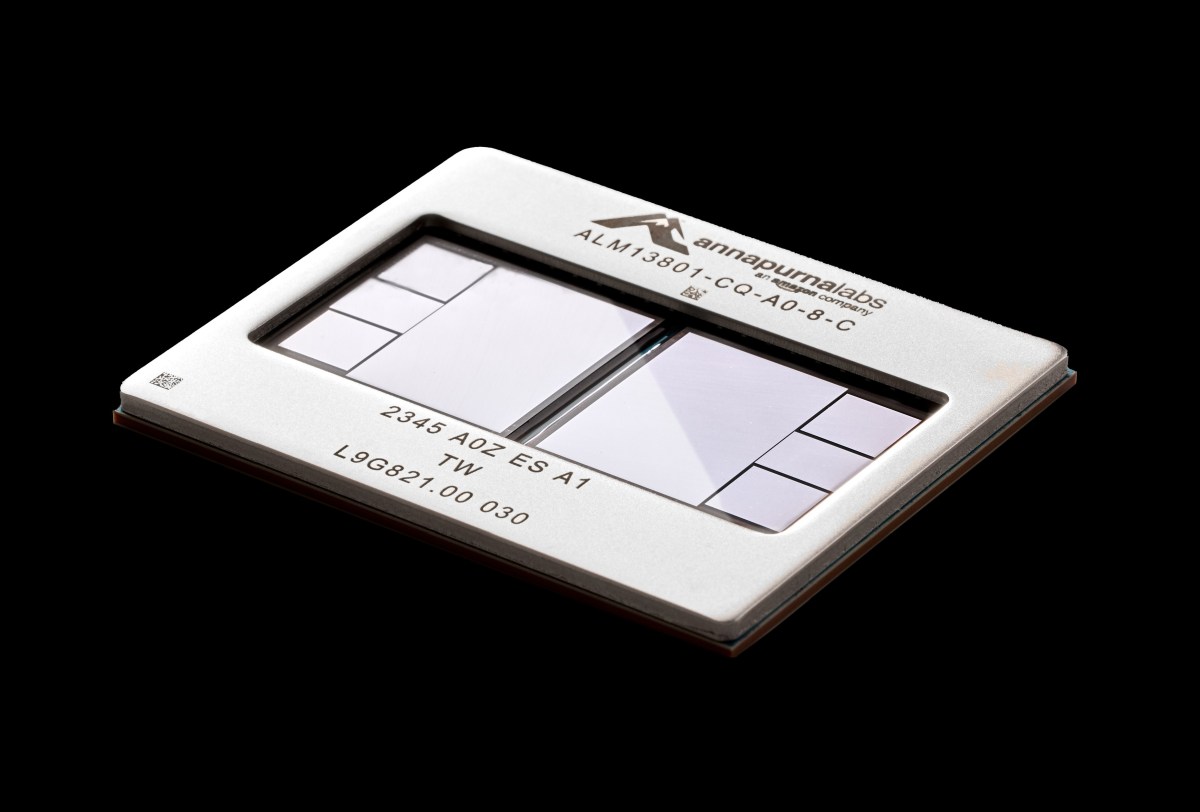
Last Tuesday, Amazon dropped news that should’ve sent ripples through the valley: Uber was significantly expanding its AWS contract to shift more ride-sharing infrastructure onto Amazon’s custom silicon—specifically Graviton processors and a new trial of Trainium3, AWS’s answer to Nvidia’s dominance in AI chips. On the surface, this looks like a routine cloud customer deepening a vendor relationship. Dig deeper, and you’re looking at one of the most fascinating power plays in modern tech: the collision of competitive ego, strategic bets, and the realization that in-house chip design might actually matter in the cloud wars.
Here’s what makes this wild.
Remember When Uber Chose Everyone BUT Amazon?
Back in February 2023, Uber made an enormous, very public bet. The ride-hailing giant announced it was abandoning its own data centers—a massive operation that had been running its platform for years—and migrating to the cloud. But Uber didn’t pick one partner. It picked two: Oracle and Google. The company even published a blog post celebrating the move, calling out Oracle’s Arm-powered Ampere chips specifically as a key part of the strategy.
This wasn’t a casual decision. These were multiyear, massive-scale contracts. Uber was essentially saying: “AWS isn’t important to us anymore. We’re going with our friends.”
And then, two years later, it went back to AWS.
The reversal isn’t about AWS suddenly having better performance or pricing (though those obviously matter). It’s about Amazon’s bet on custom chips finally paying off in a way that matters to enterprise customers—and that’s terrifying Oracle and Google in ways they didn’t anticipate.
The Silicon Valley Soap Opera Nobody Talks About
To understand what’s really happening, you need to understand the tangled mess of who owns what—and who used to own what.
Ampere Computing, the chip designer Oracle had championed, was founded by Renee James, a former Intel executive who didn’t get promoted to CEO and decided to start her own chip company instead. (That’s the kind of ego-driven origin story Silicon Valley loves.) Oracle invested heavily—owned about a third of the company—and James use her board seat to help the company get off the ground. It was a cozy relationship.
Then, in December 2024, SoftBank acquired Ampere. Oracle cashed out its stake for a $2.7 billion pre-tax gain—a nice payday. But here’s the kicker: Oracle’s CEO Larry Ellison decided the whole in-house chip strategy wasn’t worth it anymore. According to reporting, he believed designing chips in-house was no longer a competitive advantage. So Oracle sold off its chip-design bet and pivoted instead to buying Nvidia chips at massive scale for its Stargate data center project with OpenAI.
“Oracle sold Ampere because he believed designing chips in-house for its data centers was no longer a competitive advantage.”
Except Amazon didn’t make that same bet. Amazon double-downed.
AWS went all-in on Graviton (a low-power ARM CPU) and Trainium (its AI chip to compete with Nvidia). And now, those chips are working. In December, Andy Jassy said Trainium was already a multibillion-dollar business. Anthropic, OpenAI, and Apple have all expanded usage. And now Uber—one of Oracle’s marquee customers—is coming back to AWS specifically because of those chips.
Why This Actually Matters (Beyond the Drama)
This isn’t just corporate theater. This signals something fundamental: the assumption that cloud vendors couldn’t compete with Nvidia and Intel was wrong. It turns out that if you design silicon specifically for your own workloads—if you understand both the hardware and the software stack end-to-end—you can deliver value that off-the-shelf chips simply can’t match.
That’s a platform shift. It’s what Amazon did with EC2 (created computing utility), what Apple did with the M1 (proved custom silicon could beat Intel), and now what AWS is proving again: vertical integration in infrastructure wins.
For Google and Oracle, this is a wake-up call they didn’t want. Google has TPUs but hasn’t weaponized them the way Amazon has with enterprise customers. Oracle… well, Oracle just sold its bet and walked away.
The Ripple Effect
If Uber is defecting back to AWS because of custom chips, others will follow. Customers care about three things: performance, cost, and differentiation. A chip designed specifically for your cloud’s workloads wins on all three.
And here’s the terrifying part for Nvidia: this is the first real evidence that the hyperscalers might not need to rely on Nvidia as much as we thought. Not because Amazon’s Trainium is better than H100s (it’s not, necessarily), but because for specific workloads, it’s good enough—and it’s cheaper, and it’s optimized, and you’re not dependent on Nvidia’s supply chain or pricing power.
That’s not a Nvidia killer. But it’s a Nvidia equalizer.
What Amazon Actually Won Here
This deal is less about beating Nvidia and more about Amazon proving a thesis: if you own the full stack, you win. AWS beat Google and Oracle’s cloud offerings not on any single dimension but on the fact that Amazon could say, “Run your workloads on hardware designed by the same people who designed the cloud.”
That’s an unfair competitive advantage. And it’s working.
🧬 Related Insights
- Read more: EU’s AI Office Drops Fat Salaries for Legal Hired Guns – Skeptical Eyes on the Fine Print
- Read more: GCs Poised to Hijack the CFO’s Power—Or Is It Just Vendor Hot Air?
Frequently Asked Questions
Why did Uber switch back to AWS after choosing Oracle and Google? Uber’s expanding workloads, especially AI-related tasks, benefit from Amazon’s custom Trainium chips. These chips are optimized for AWS’s infrastructure in ways generic processors aren’t, offering better performance and cost efficiency for specific use cases.
Is Amazon’s Trainium chip better than Nvidia’s? Not universally. Trainium is competitive for specific AI workloads on AWS infrastructure. The real advantage is optimization and integration—Trainium is designed by the same team building the cloud service, allowing for better end-to-end performance than buying off-the-shelf chips.
Does this mean Nvidia should be worried? Somewhat, but not yet critically. This suggests hyperscalers will increasingly design custom silicon for their own platforms. But Nvidia still dominates the broader market, and most companies can’t afford to build their own chips—they’re stuck buying Nvidia.