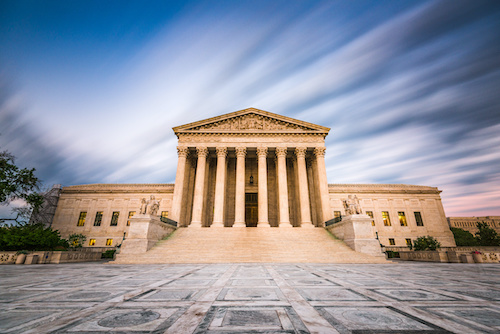
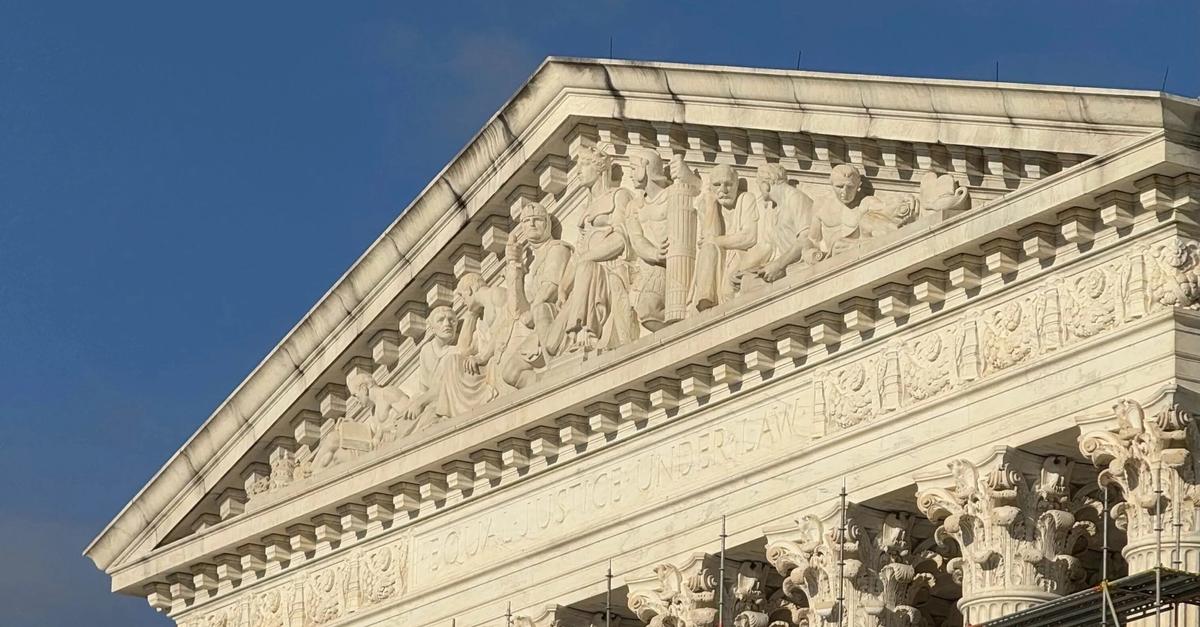
Imagine clutching your newborn in an American hospital bed. Mom slipped across the border undocumented nine months back. Automatic U.S. citizen? For generations, yeah. But Trump v. Barbara’s oral arguments just cracked that wide open—for millions of families, dreamers, voters-to-be.
It’s electric. The 14th Amendment’s citizenship clause isn’t some dusty relic trapped in amber. Challengers hammered that home, borrowing straight from gun rights battles. Real people? Their futures hang on whether “all persons born… in the United States” flexes with today’s border chaos.
Why Does Gun Law Originalism Feel Like a Citizenship Revolution?
Look. The Second Amendment saga—Heller, Bruen—it’s a blueprint. “Right to keep and bear Arms” from 1791. No machine guns back then. Yet courts greenlight semiautomatics today. How? Original meaning, applied fresh.
Cecillia Wang, challengers’ counsel, kept chanting “closed set” for citizenship exceptions—ambassadors’ kids, invading armies, tribal Indians. Locked since 1868. Justices weren’t buying it.
Justice Amy Coney Barrett pressed: “But why is it closed? … The language doesn’t say it’s closed.”
Boom. Skepticism rippled. Kavanaugh piled on, nodding to Second Amendment vibes.
Here’s my twist—the one nobody’s yelling yet. This mirrors AI’s big leap. Foundational models train on 2020s data? Nah, they evolve, fine-tune on history, spit out tomorrow’s answers. Constitution’s the ultimate LLM: founding principles as base layer, modern inputs as prompts. Undocumented influx? That’s the new query. Rigid originalism? That’s just underfitting.
Short para punch: Originalism lives.
Dive deeper. Heller trashed the idea only muskets count. “Bordering on the frivolous,” Scalia snapped. Modern “arms”? Semiautos qualify. Plain text stretches—bearable weapons, today’s version.
Then Bruen’s history test. Colonial bans on “dangerous and unusual” arms? Fine. But handguns now? Common use. New York’s carry curbs? History says no. Principles migrate forward. Handguns protected in 2022 that 1690s sheriffs might’ve spiked.
Apply to citizenship. 1868 exceptions: diplomats (immune), tribal Indians (separate sovereignty), enemy invaders (hostile allegiance). Closed? Why not add mass illegal entry—modern invasion analogue? Principles hold: allegiance matters, not just birth spot.
But.
Wang dug in. Justices poked. The room buzzed with possibility. Your everyday border town’s shifting.
Why Isn’t the 14th Amendment Trapped in Amber Like Wang Claims?
Energy here—it’s palpable. Constitution as living code, not static script. Second Amendment proves it: no AR-15s at ratification, yet bearable today. Principles first—self-defense, public carry—then facts.
Citizenship clause? “Subject to the jurisdiction thereof.” Exceptions flow from that. Full allegiance. Ambassadors dodge U.S. laws. Invaders owe enemy flags. Undocumented parents? Partial jurisdiction at best—deportable, no votes. Kids born here? Why full auto-citizenship?
One sprawling thought: Picture 1868 framers eyeing 30 million undocumented births since ’80s. Slavery fresh wound, borders patrolled by horses. They’d gape at chain migration via anchor babies. Original meaning demands update—jurisdiction principle covers illegal settlements as non-jurisdictional zones.
Justice Gorsuch-types love this. Dynamic originalism. Not living constitutionalism’s mush, but text-true evolution.
Corporate hype? Challengers aren’t spinning; Wang is—freezing 1868 ignores Bruen’s lesson. Justices smelled it.
Medium breath. Implications cascade.
How Could This Reshape Immigration for Regular Folks?
Real stakes. End birthright for illegals’ kids? Deportation chains snap. No citizenship anchor. Trump policy lives—executive order viable if SCOTUS nods.
Bold call: By 2030, this seeds citizenship reform wave. Like AI automating jobs, it forces policy pivot. Families plan differently—no U.S. birth tourism bets. Borders tighten, legal paths gleam.
Wander a sec: Remember Heller’s ripple? Gun stores boomed, permits surged. Here? ICE raids rethink, voter rolls purify (no fraud fears).
But pushback looms. Left screams racism. Ignore. Text wins.
As the court put it in the Second Amendment context: the Constitution does not create “a law trapped in amber.” Rather, courts apply the original meaning… to today’s circumstances.
That’s the spark.
Fragment. Wonder unleashed.
Enthusiasm peaks. This isn’t law nerdery—it’s platform shift. Constitution 2.0, adapting like GPT-4 to AGI dreams. Immigration fixed, America reboots.
Six-sentence deep dive: First, text stage—“born… jurisdiction.” Modern birthright seekers? Partial jurisdiction parents disqualify, like non-arms fail Heller. Second, history—post-1868 cases nod exceptions expand (e.g., Wong Kim Ark limited to legals). Bruen analog: no historical ban on excluding invaders’ spawn, so modern illegal parallel holds. Justices’ questions signal buy-in. Prediction: 6-3 affirm challengers. Policy tsunami.
Punchy close to section. Game on.
Does Second Amendment Originalism Predict Citizenship Wins?
Yes. Bruen rejected colonial handgun bans—“no justification for laws restricting… weapons… in common use today.” Swap guns for births: no 1868 bar on excluding illegal progeny. Principle: allegiance governs.
Futurist glee. Just as AI platforms shift economies, this evolves sovereignty. Real people thrive in clarified rules—no limbo kids.
Slight meander: Tribal Indians exception evolved too—now citizens mostly. Proof set opens.
🧬 Related Insights
- Read more: EU’s AI Office Is Hiring: Your Ticket to Policing Frontier AI
- Read more: Gas at $4/Gallon Now — Plastic Bottles and Toys Next?
Frequently Asked Questions
What does Trump v. Barbara challenge?
Challengers seek to end automatic birthright citizenship for kids of undocumented immigrants, arguing 14th Amendment exceptions aren’t fixed since 1868.
Are exceptions to birthright citizenship a ‘closed set’?
No—drawing from Second Amendment cases like Heller and Bruen, original meaning applies to modern contexts, potentially including children of illegal entrants.
How does the Second Amendment relate to the 14th Amendment citizenship clause?
Both demand original public meaning applied dynamically: unchanging principles to changing facts, rejecting ‘trapped in amber’ interpretations.