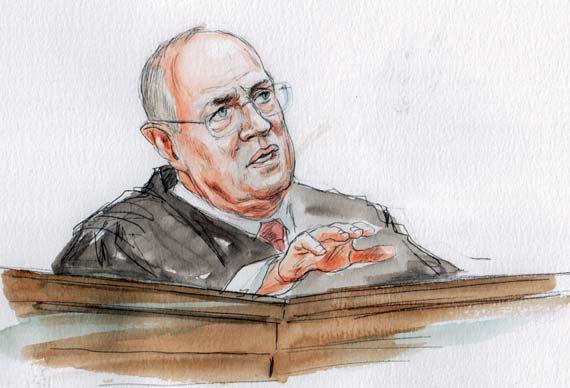
Everyone figured Justice Anthony Kennedy’s memoir would be the same old song. You know the drill: retired Supremes churn out books that rehash confirmation hearing talking points, sprinkle in family tales, and dodge any real peek behind the curtain. Gorsuch pushes originalism hard, Barrett recites high school government class, Jackson dives into memoir mode without touching the bench much. Predictable. Profitable, sure—but illuminating? Hardly.
Then comes Life, Law & Liberty, dropped last fall. It flips the script. Kennedy doesn’t just buff his image; he lets slip the literary soul that fueled his jurisprudence. And here’s the kicker—this ain’t your typical judicial vanity project. It’s got rivers of quotes from Twain to Ngũgĩ wa Thiong’o, optimism straight from Wallace Stegner, even Willa Cather shaping his Western worldview. Who saw that coming from the guy behind those infamous, sky-high opinions?
Why Kennedy’s Book Stands Out from the Supreme Court Memoir Pack
Look, I’ve covered enough Silicon Valley memoirs—Zuckerberg apologists, Musk hagiographies—to spot PR spin a mile away. Judicial ones? Worse. They’re like sanitized TED Talks on steroids. But Kennedy? He owns his Sacramento roots, the old-boy network that greased his early career (not available to everyone, he admits—refreshing candor). Quotes James Gould Cozzens to nail small-town law practice. Effortless.
His dad’s sudden death in ‘63? Forces him back from fancy San Francisco firm to take over the family practice. Ties it all to place—the rivers converging, defining the city like they defined him. No humblebrag overload. Just precise, elegant prose. Minimalist, even. Worlds away from his bench scribbles.
And literature? Kennedy geeks out: “document[s] human experience but also seeks to edify it.” That’s him, first page. Stegner on the West as hope’s native home. Twain, Hughes on rivers. It’s not name-dropping; it weaves in, edifies his story.
One standout quote captures it:
“Sacramento’s leading attorneys and most of the judges had known my father and our family, as well as Mary’s family,” Kennedy writes. “They went out of their way to show that they were pleased that a younger attorney with those ties could continue the traditions of Sacramento’s bar.”
He nods to the network’s limits—“those who were part of it.” Self-aware. Rare for these books.
What Happened to That Style on the Supreme Court Bench?
But—plot twist—his memoir prose clashes hard with his judicial output. Off the bench, thoughtful, precise. On it? Sweeping vistas of abstraction that drove Scalia nuts. Remember Casey in ‘92? Upholds Roe, but Kennedy, O’Connor, Souter drop this:
“At the heart of liberty is the right to define one’s own concept of existence, of meaning, of the universe, and of the mystery of human life.”
Scalia dubs it the “famed sweet-mystery-of-life passage.” Mockery ensues. Vague? Grandiose? Check and check. Kennedy doubles down in Lawrence v. Texas (2003), striking sodomy laws: liberty’s “spatial and more transcendent dimensions.” Freedom beyond bounds. Poetic, sure. Legally fuzzy? Critics said yes.
Obergefell looms too—the same-sex marriage showdown where he and Scalia clash again. Memoir hints at the optimism fueling those votes, but doesn’t dissect. Tease.
Here’s my unique take, one you won’t find in the original piece: this literary love explains Kennedy’s swing-vote magic—and its pitfalls. Like early internet pioneers (think ’90s Netscape hype), he painted vast, hopeful futures. Worked for liberty expansions—gay rights, abortion stare decisis. But left doors wide for critics to storm through, much like how vague VC pitches birthed antitrust nightmares today. Prediction: as AI ethics hits the court, we’ll miss his transcendent lens, even if it was imprecise. Who else pens “mystery of human life” in an opinion?
Skeptical vet note: is this memoir truly revealing, or savvy late-career rehab? Kennedy retired 2018, post-Kavanaugh drama. Book tours now. Still, beats the alternatives.
Short para: Cynical? Yeah.
But credit where due—it humanizes the robe. Shaped law profoundly—those Casey words echoed everywhere. Memoir shows the West’s hope birthed it.
Is Anthony Kennedy’s Memoir Worth the Read for Legal Nerds?
Absolutely, if you tire of buzzword-free law books. (Wait, justices don’t buzzword much anyway.) Dive for the contrasts: elegant life story vs. lofty opinions. Spot the threads—rivers of influence mirroring liberty’s flow.
His Harvard-Stanford path, firm days, all laced with lit refs. Grew up where land molds people (Cather). Optimism innate (Stegner). Explains the swing: not flip-flopping, but hope-fueled evolution.
Critics mocked the grandeur—fair. Scalia shredded it. Yet it landed landmark wins. Memoir doesn’t defend; it reveals sources. Better than silence.
And the money angle—always ask: who’s cashing in? Kennedy? Book sales, speeches. Publisher? Jackpot. Readers? Insight. Rare win-win.
Long para time: Picture Sacramento’s rivers merging, American from Sierras crashing into Sacramento, heading to bay—that’s Kennedy’s prose in life mode, forceful yet harmonious; on court, it swells to bay-scale mystery, overwhelming the banks, flooding debates with ambiguity that partisans still weaponize today, from abortion to Obergefell echoes in culture wars, proving literature edifies but law demands dams—precise holdings—or it all spills over.
Why Did Scalia Hate Kennedy’s Writing So Much?
Scalia wanted textual anchors. Kennedy? Transcendent vibes. Clash of titans. Memoir shows Kennedy’s lit roots made him that way—West’s boundless hope vs. Scalia’s strict originalism. No apologies.
Punchy: Eternal feud.
🧬 Related Insights
- Read more: John and His Bros Still Rule US Patents: Diversity Drought in American Innovation
- Read more: Europe’s AI Literacy List: Savior for SMEs or Consultant Goldmine?
Frequently Asked Questions
What makes Justice Anthony Kennedy’s memoir different from other justices’ books?
It weaves in heavy literature—Twain, Stegner, Cather—while owning privileges like the old-boy network, unlike the PR-heavy tomes from Gorsuch or Barrett.
Why was Kennedy’s Supreme Court writing called grandiose?
Phrases like the ‘mystery of human life’ in Casey and Lawrence struck critics as too vague and poetic for law, per Scalia et al.
Does Kennedy’s book explain his swing votes?
Indirectly—ties to Western optimism and liberty’s broad flows, hinting at the hope behind pro-LGBTQ+ rulings like Obergefell.