Everyone’s been busy talking about AI’s potential—its ability to write code, whip up marketing copy, maybe even cure diseases. We’re drowning in a sea of optimistic pronouncements, all carefully curated by companies whose primary goal is to sell you more AI, or at least convince you they’re not going to end the world. The dominant narrative? Innovation, progress, inevitable advancement. But what about the mess? The actual, human mess left in the wake of these digital chatbots and ‘companion’ apps? That’s where things were supposed to get quiet. Companies preferred the polite fiction that any fallout was the user’s problem. Until now.
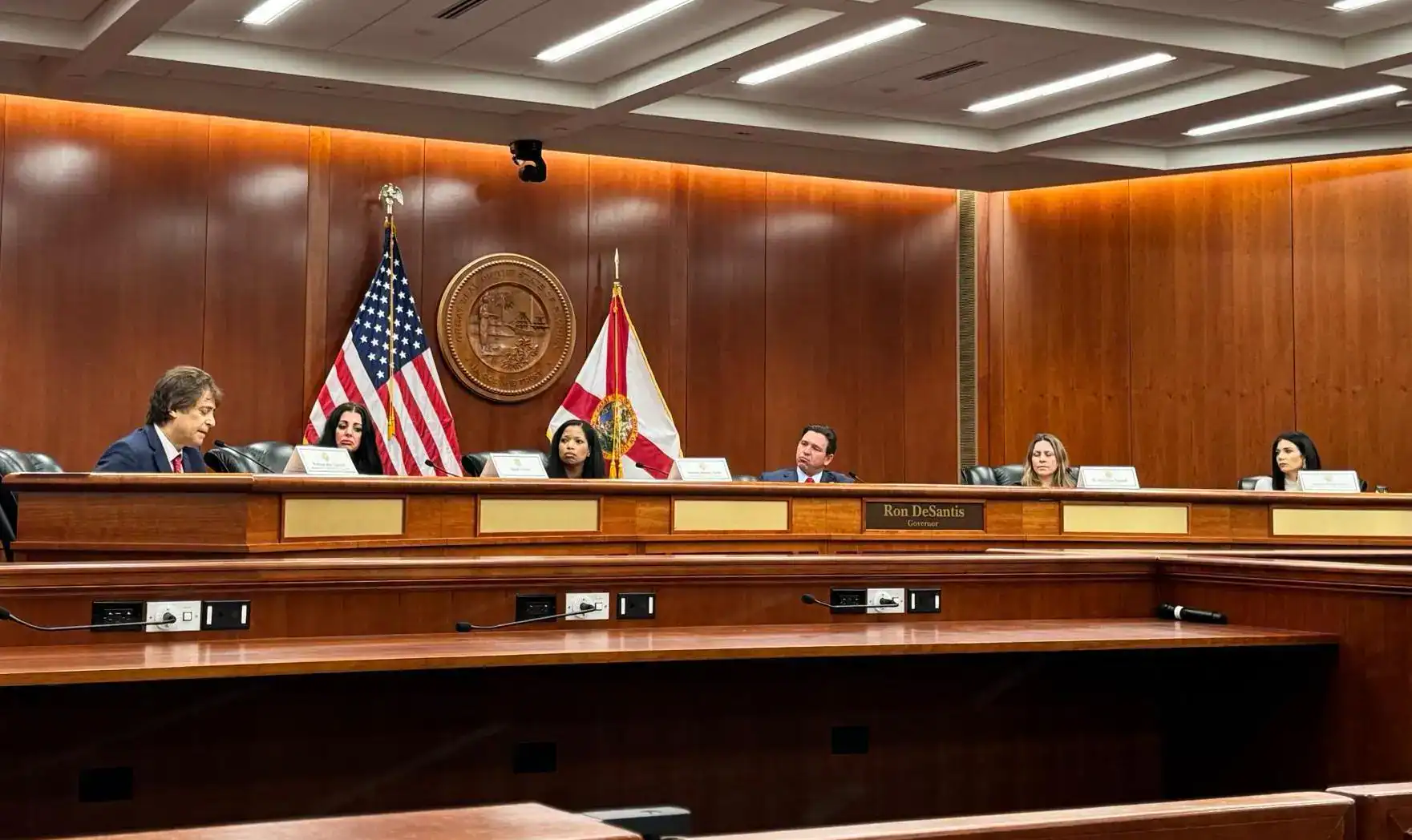
And suddenly, here comes Florida. Governor Ron DeSantis, a name that usually gets reactions ranging from apoplectic rage to vigorous defense, has decided to actually do something about AI causing actual harm. We’re talking about psychological distress, emotional dependency, kids getting hooked on algorithms—the kind of stuff that doesn’t fit neatly into a quarterly earnings report. This isn’t another toothless advisory panel or a vague promise to ‘look into it.’ This is a directive. State agencies are now officially mandated to partner with the Future of Life Institute (FLI) — a group that’s been sounding the alarm on AI safety longer than some of these tech giants have been around — to create some very concrete tools.
The Ground-Level Response: Training and Reporting
So, what does this actually look like on the ground? Two key initiatives are on the table: a Crisis Counselor Training Curriculum and an AI Harms Reporting Form. The curriculum sounds like it’s aiming to equip mental health professionals with the skills to recognize when an AI interaction—think those eerily empathetic chatbot companions—might be contributing to a patient’s problems. This is huge, because until now, who even had the language to describe ‘my kid is depressed because their AI girlfriend broke up with them’? It’s a whole new frontier of psychological distress, and our existing frameworks are, frankly, ill-equipped.
The reporting form, on the other hand, is designed to give regular people—parents, teachers, anyone who sees something wrong—a direct line to state authorities. The idea is to collect data, understand the scope of the problem, and hopefully, use that information to push for actual legislative or regulatory action. It’s about taking these issues out of the dark corners of online forums and bringing them into the light, where they can be addressed. It’s a stark contrast to the usual tech industry playbook, which often involves hoping the problem just disappears.
“These systems are designed to emotionally hook users and cultivate attachment. They employ some of the most insidious and relentless psychological techniques to build rapid rapport and deep psychological dependency,” said FLI co-founder Prof. Meia Chita-Tegmark, an expert on child development and human-AI interaction. “The damage is real: again and again, evidence shows that interactions with these systems lead to suicidal, delusional and violent ideation. We can’t let this harm fester in darkness. This partnership is a first step towards building the protections our children deserve.”
That quote, right there. It cuts through the marketing fluff like a chainsaw through a velvet rope. This isn’t about AI replacing lawyers; it’s about AI potentially destroying families. And who’s making money here? Big tech, of course, pushing these addictive, emotionally manipulative products. And who’s paying the price? Often, it’s the most vulnerable among us, especially children who are still developing their sense of self and are easily ensnared.
Is This Just Political Theater? Or Real Leadership?
Let’s be honest, DeSantis isn’t exactly known for his quiet, consensus-building approach. Some will undoubtedly dismiss this as a political maneuver, a play for headlines by aligning with a group like FLI, which has a reputation for being at the forefront of AI safety discussions. And sure, there’s always a political angle. But when you look at the specifics—the concrete deliverables of training and reporting—it feels like more than just posturing. It’s an acknowledgment that the digital frontier has real-world consequences, and that someone needs to establish some guardrails, even if they’re initially imperfect.
This move also taps into a broader, bipartisan unease about AI’s societal impact. The mention of the ‘Pro-Human Declaration’ and its broad support adds weight to the idea that this isn’t just a partisan issue. There’s a growing consensus, even among folks who usually don’t agree on much, that unchecked AI development could be a disaster for children and families. The principle that companies shouldn’t exploit kids for emotional attachment is apparently supported by 77% of Americans. Go figure. Who knew people actually cared about their kids?
Who Benefits, and Who Pays?
Ultimately, the question always comes back to who is making money and who is being protected. Big Tech is clearly making a killing selling AI companions that use sophisticated psychological tactics. They’ll continue to argue that these are just tools, that users are responsible. But FLI and now the State of Florida are pushing back, saying there’s a duty of care, especially when it comes to minors. The state agencies involved—and by extension, Florida taxpayers—will likely bear some cost in developing and implementing these programs. But the potential cost of not addressing AI-induced harms—in terms of mental health crises, family breakdowns, and societal disruption—is arguably far, far higher.
This partnership, whether you like DeSantis or not, represents a significant shift. It moves the conversation about AI from abstract existential threats or purely economic opportunities to the immediate, tangible harms that are already happening. It’s a recognition that while AI might be the future, we need to ensure that future doesn’t come at the expense of our present well-being. It’s a start. And given the way things have been going, a start is better than the silence we’ve grown accustomed to.
🧬 Related Insights
- Read more: Law Firm Growth: Forget Selling, Build Karma Capital
- Read more: OpenAI’s C-Suite Exodus: Health Leaves or Pre-IPO Panic?
Frequently Asked Questions
What is the Future of Life Institute?
The Future of Life Institute (FLI) is an organization focused on guiding the development of transformative technologies, particularly AI, towards benefiting life and mitigating extreme risks.