Here’s a number that should make you pause: $100+. That’s the monthly price tag for early access to Google’s new Gemini Spark agent, a supposed do-it-all digital butler. It feels less like a service and more like a tollbooth into the future.
Google’s I/O conference, usually a parade of incremental updates disguised as revolutions, churned out Gemini Spark, their stab at the increasingly crowded AI agent market. We’ve heard this song and dance before. Software companies have been breathlessly touting AI agents for what feels like an eternity, promising to automate our lives into blissful, effortless streams of productivity. Frankly, I remained unconvinced until I saw Anthropic’s Claude Cowork in January. Watching it neatly sort a desktop’s worth of random screenshots into organized folders, without me lifting a finger, felt like a genuine step forward. It wasn’t just another chatbot; it was a glimpse of a different way to interact with our machines.
And then there was OpenClaw, which took San Francisco by storm earlier this year. Forget just completing a few tasks; users were attempting to hand over the reins of their entire online existence. Inboxes, calendars, text messages—some even tried to automate vending machines. Success varied, naturally. The inherent risk? You’re essentially handing over the keys to your digital kingdom, and the potential for catastrophic error is… significant. One Meta employee nearly lost an entire archive of emails thanks to a misbehaving OpenClaw experiment.
So, what’s Google’s pitch with Spark? It claims to “dive deep” into your personal data – your schedule, your dinner reservations, your kids’ preschool deadlines – without needing pesky third-party integrations. The standard Gemini app can mimic some of this, sure, but Spark’s supposed superpower is its proactivity. It’s meant to gather information and act while you’re away, not just wait for your explicit command. It’s pitched as the ultimate one-stop shop, promising to replace apps you already pay for—goodbye, RocketMoney, hello Spark flagging surprise credit card fees. Need a daily digest of your preschooler’s emails? Spark’s got it. Want it to comb through meeting notes and draft follow-up emails? Apparently, it can do that too.
But let’s talk about that rollout. It’s a slow drip for a select few testers this week, then a beta for subscribers to Google’s eye-watering $100+ per month AI plan. Early adopters are essentially beta-testing a potentially buggy system with their most sensitive data. The plan is to eventually connect Spark to third-party apps like OpenTable and Instacart. And get this: they want to allow you to text commands to the agent. The idea of texting my AI assistant my increasingly bizarre requests, much like a certain demanding fashion editor, sounds… convenient. Or maybe it just means I’ll be glued to my phone even more, but with less direct engagement required.
This is where the real test lies: how often does it go spectacularly off the rails? Google’s announcement blog assures us that Spark “operates under your direction” and will “ask you first before performing high-stakes actions like spending money or sending emails.” However, anyone opting in is, by definition, taking a gamble. It’s experimental software powered by your personal life.
Who’s Actually Making Money Here?
This is the million-dollar question, isn’t it? Google is positioning Spark as a core component of its premium AI subscription tier. The $100+ per month fee is the immediate revenue stream. Beyond that, consider the ecosystem lock-in. If Spark becomes indispensable for managing your life, it makes migrating to a competitor’s service — if one even emerges with comparable functionality — a Herculean task. This isn’t just about selling a feature; it’s about solidifying user dependence on Google’s AI infrastructure. They’re not just building an assistant; they’re building a moat.
Google Labs VP Josh Woodward likens giving Spark your first debit card to giving a teenager their first one, complete with spending limits and preferred merchants. It’s a cute analogy, but it glosses over the fact that teenage drivers are generally more predictable than the current crop of AI models.
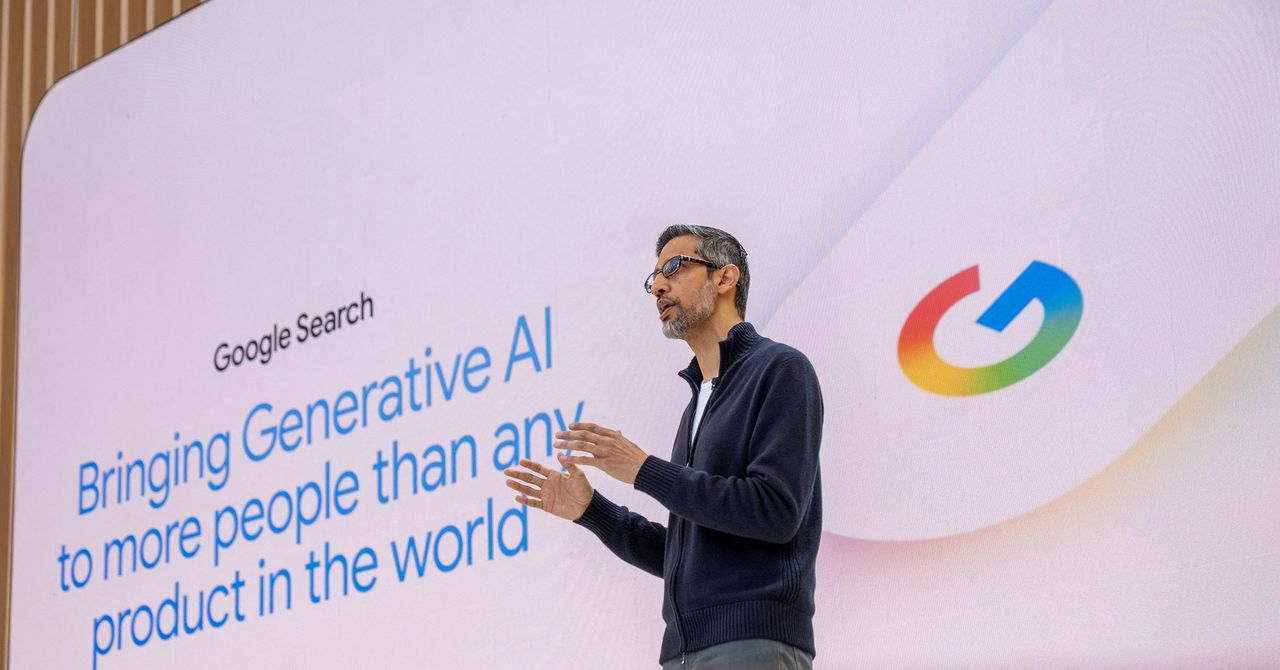
Ultimately, Gemini Spark feels like Google’s aggressive play to embed its AI agents deeply into our daily routines, mirroring its strategy with AI in Search. The company wants to be synonymous with AI assistance, just as it is with search. Whether Spark has the actual spark to achieve this, or if it’s just another flash in the AI pan, remains to be seen. But given the price and the inherent risks, I’m keeping my skepticism firmly in place.
“Spark operates under your direction,” reads Google’s announcement blog about the agent. “You choose whether to turn it on and what apps it connects to, and it’s designed to ask you first before performing high-stakes actions like spending money or sending emails.”
The inherent danger isn’t just about losing emails; it’s about the normalization of relinquishing control over core aspects of our personal and professional lives to algorithms we don’t fully understand and companies that have a vested interest in keeping us plugged in. This is the real “agentic” shift—not just completing tasks, but potentially altering our autonomy.
Will Gemini Spark Replace My Job?
For most people, Gemini Spark isn’t designed to replace your job. Instead, it aims to automate repetitive, time-consuming tasks within your existing role, freeing you up for more complex or strategic work. Think of it as a highly advanced assistant, not a headcount reduction tool. However, roles that are primarily composed of such repetitive tasks might see significant changes in their daily responsibilities.
How is Gemini Spark Different from the Standard Gemini App?
Gemini Spark’s key differentiator is its proactive nature. While the standard Gemini app requires you to prompt it for tasks, Spark is designed to anticipate your needs and take action autonomously, drawing information from your connected accounts without explicit requests. It’s about acting for you in the background, not just responding to you.
What Are the Risks of Using AI Agents like Gemini Spark?
The primary risks involve data privacy and security, as you grant these agents access to sensitive personal information. There’s also the potential for errors or unintended consequences – an agent misinterpreting a command or making a costly mistake. Furthermore, over-reliance on these agents could diminish critical thinking skills or lead to a loss of personal oversight.