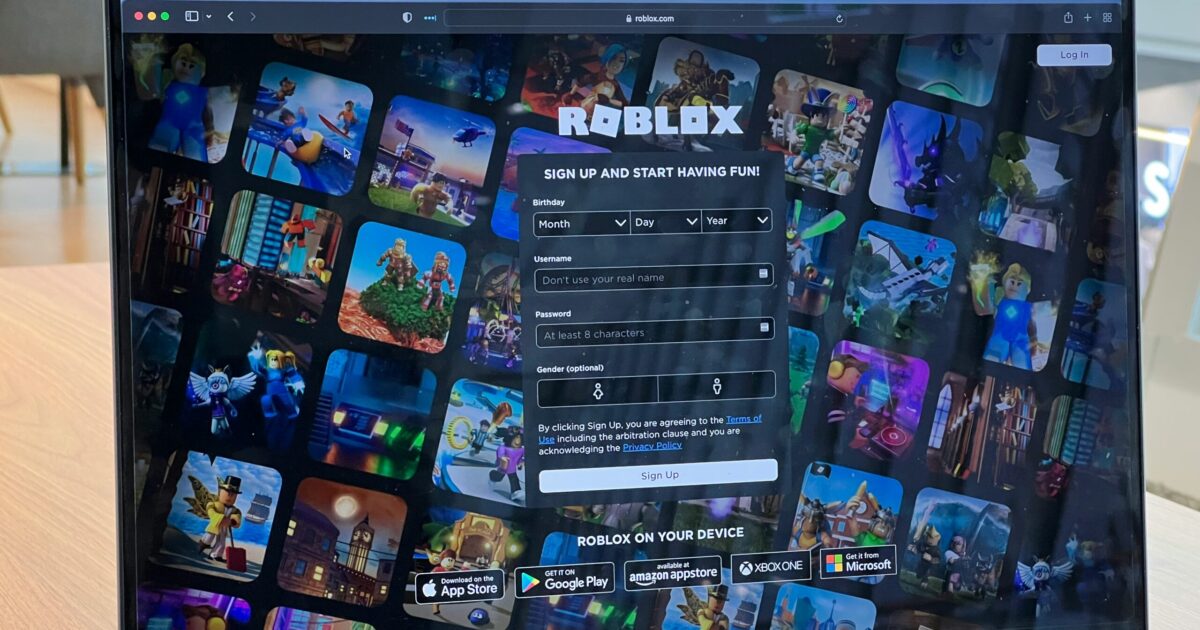
Could a platform designed for children be intentionally engineered to keep them hooked and spending money? That’s the incendiary question at the heart of a new push for federal investigation into Roblox, the massively popular online gaming environment. On Wednesday, the Electronic Privacy Information Center (EPIC), alongside a formidable coalition including Fairplay and the National Center on Sexual Exploitation, formally requested that the Federal Trade Commission (FTC) launch a deep dive into Roblox’s operational tactics. The core of their complaint? That the company employs manipulative design features specifically to exploit its young user base.
This isn’t just about game mechanics; it’s a stark accusation of deliberate engineering. The coalition’s filing, a document that reads like a digital indictment, lays out a damning case. It details how Roblox allegedly utilizes engagement-maximizing designs that actively make it difficult for children to disengage, a digital tether that’s hard to break. Then there’s the notorious in-game currency system, a seemingly endless loop of purchasing ‘Robux’ that, for young, impressionable minds, blurs the line between virtual play and real-world financial expenditure – often resulting in significant, unintended spending. And let’s not forget the chat features, an open gateway for potential predation and abuse, where adults can easily insert themselves into children’s digital lives.
The numbers are stark, almost unbelievable. Roblox itself estimates that a staggering 40% of its over 130 million daily active users are under the age of 13. To put that in perspective, children as young as five can, and do, create accounts on this platform. This demographic reality forms the bedrock of the coalition’s argument: that the platform’s very architecture prioritizes profit over the developmental needs and inherent vulnerabilities of its youngest audience.
The coalition’s filing doesn’t mince words. It states, with chilling clarity, “Roblox’s design and business model put the company’s interests directly at odds with children’s developmental needs, causing them real-world harm.” This isn’t mere hyperbole; it’s a direct challenge to the platform’s fundamental ethos. EPIC, for its part, has a well-established track record of advocating for strong privacy protections for minors and pushing for platform accountability. Their involvement lends significant weight to this demand for an FTC investigation.
The Monetization Maze
This current outcry echoes broader concerns that have swirled around digital platforms catering to children for years. We’ve seen similar debates erupt around social media’s addictive algorithms and in-app purchase models in mobile games. However, the sheer scale and the specific demographic Roblox targets – a vast majority of pre-teens and even younger children – elevate this situation. The platform’s “Robux” economy is essentially a virtual closed-loop system. Children earn or purchase Robux to acquire virtual goods, game passes, and avatar customizations. The issue isn’t the existence of a virtual currency, but the often opaque pricing, the pressure to constantly acquire more for desired items, and the ease with which real money can be converted into Robux, especially for a child who may not grasp the concept of financial limits.
Predators and the Digital Playground
The inclusion of risks related to adult predation within the platform’s chat features is perhaps the most alarming element. While many online games incorporate communication tools, the explicit mention of adults easily interacting with children on Roblox raises red flags. Advocacy groups have long warned about the dangers of children being groomed or solicited online. The argument here is that Roblox’s design, intended for social interaction, inadvertently creates fertile ground for malicious actors seeking to exploit young, trusting users. The platform’s age estimation, or lack thereof at the account creation stage, only exacerbates this vulnerability.
Is This the New Digital Exploitation Playbook?
EPIC and its allies aren’t just pointing fingers; they’re calling for regulatory action. They believe the FTC has the authority and the imperative to step in. This isn’t about stifling innovation or preventing children from enjoying online entertainment. Instead, it’s about ensuring that the digital environments where they spend significant amounts of their childhood are designed ethically and safely, not exploitatively. The precedent set by an FTC investigation into Roblox could have far-reaching implications, potentially reshaping how platforms design their user experiences for children and how they are held accountable for the consequences.
The coalition’s filing outlines how “Roblox’s design and business model put the company’s interests directly at odds with children’s developmental needs, causing them real-world harm.”
The demand for an FTC investigation represents a critical juncture. It forces a public reckoning with the business models that may be built on the backs of childhood engagement and spending. The question now is whether regulators will heed the call and dive into the mechanics of how platforms like Roblox operate, or if these concerns will remain whispers in the digital wind.
What’s Next for Roblox and its Young Users?
The immediate future hinges on the FTC’s response. Will they acknowledge the severity of the allegations and launch a formal inquiry? An investigation could lead to new regulations, mandatory design changes, or even significant fines for Roblox. For parents, this situation underscores the perpetual need for vigilance and open communication about online activities. For the children themselves, the hope is for a digital playground that prioritizes their well-being over endless engagement metrics.
🧬 Related Insights
- Read more: AI Factories: Data Control as Strategy
- Read more: Three Days in Tampere: Why the Robot Regulation Debate is Actually Happening Now
Frequently Asked Questions
What exactly are child safety advocates accusing Roblox of doing? Advocates claim Roblox uses manipulative design features that make it hard for children to log off, encourage excessive spending of real money through its currency system, and provide chat features that expose kids to potential predation and abuse.
Why are child safety groups calling for an FTC investigation? They believe Roblox’s design and business model prioritize the company’s financial interests over children’s developmental safety and well-being, leading to real-world harm. They want the FTC to examine these practices for potential violations of consumer protection laws.
How many children are actually using Roblox? Roblox estimates that approximately 40% of its over 130 million daily users are under the age of 13, with accounts being creatable by children as young as five.